
Beverages
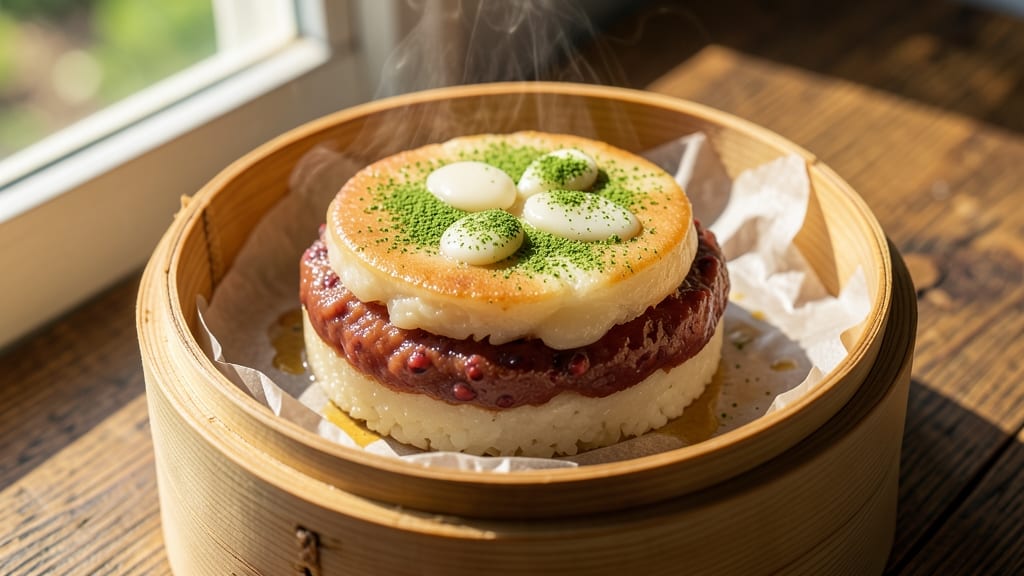
This steamed rice cake recipe delivers ethereal, pillow-soft clouds that dissolve on your tongue—perfect for festive occasions or everyday indulgence. The secret lies in glutinous rice flour, which transforms into delicate, translucent layers when steamed just right.
I’ve perfected a 15-minute method that ensures lightness without requiring special equipment beyond a bamboo steamer and basic pantry staples.
The foundation of these rice cakes is a simple batter of glutinous rice flour, water, and sugar, which creates a naturally sweet, chewy texture. Optional fillings like red bean paste or lotus paste add depth, while the steaming process preserves their signature fluffiness.
This technique works equally well for traditional celebrations or spontaneous treats—no prior experience needed.
What you’ll achieve is a batch of light, airy rice cakes that steam into delicate layers, each bite offering a harmonious balance of sweetness and texture. The result is restaurant-quality at home, with minimal effort and zero guesswork. Serve them warm with tea or as a festive snack for gatherings.
These rice cakes adapt beautifully to regional variations—add matcha powder for a vibrant twist or coconut milk for tropical notes. The possibilities are endless, but the core method remains foolproof. Let’s create these delicate clouds together.
Ingredients for steamed rice cake
Twelve ingredients transform into delicate steamed rice cake clouds—ethereal, translucent, and restaurant-worthy.
| Ingredient | Amount | Notes |
|---|---|---|
| Glutinous Rice Flour 🍚 | 2 cups | Also called sweet rice flour, sifted |
| Granulated Sugar 🍬 | ½ cup | Fine grain preferred for even dissolving |
| Water 💧 | 1 cup | Room temperature for smoother batter |
| Red Bean Paste 🌱 | 1 cup | Smooth, not chunky, preferred |
| Lotus Seed Paste 🌸 | 1 cup | Optional, for floral variation |
| Matcha Powder 🍵 | 1 tbsp | Ceremonial grade for vibrant color |
| Coconut Milk 🥥 | ¼ cup | Full-fat for richer texture |
| Bamboo Steamer 🌿 | 1 whole | 16-inch diameter preferred |
| Steaming Basket 📦 | 1 whole | Fits bamboo steamer snugly |
| Plastic Wrap 📄 | 1 sheet | For sealing batter before steaming |
| Vegetable Oil 🫒 | 1 tbsp | For greasing steamer |
| Cornstarch 🌾 | 1 tbsp | Prevents sticking during steaming |
The glutinous rice flour is non-negotiable—Bob's Red Mill or Asian markets carry the highest-quality versions. Look for vibrant white flour labeled specifically for rice cakes or mochi; avoid pre-mixed batters with additives. If your local grocery lacks it, Amazon delivers in bulk, and it keeps indefinitely in a sealed container. For the sugar, Domino Fine Granulated dissolves more smoothly than coarse varieties, creating a silkier texture. The water should be room temperature to prevent lumps in the batter—cold water creates denser cakes. If you're making a tropical variation, Thai Kitchen coconut milk cans provide the richest flavor without curdling.
No red bean paste? Sweetened adzuki bean paste works identically, or sub black sesame paste for nutty depth. Lotus paste can be replaced with mung bean paste at half the quantity, though texture will differ slightly. Matcha powder is optional but elevates—Jade Leaf ceremonial grade avoids bitterness. For a vegan twist, replace the coconut milk with coconut cream, but reduce to 0.125 cup. The steaming basket must fit your bamboo steamer snugly; if gaps exist, line with parchment paper cut to size*. Vegetable oil is preferred over butter for greasing, as it doesn't burn during steaming. Cornstarch is key—sprinkle it generously on both the steamer and plastic wrap to prevent sticking.
Store unsteamed batter in an airtight container for up to 3 days—cover with plastic wrap to prevent drying. Steamed cakes keep 2 days at room temperature or 1 week refrigerated, though they lose slight fluffiness. For longer storage, wrap individually in plastic and freeze for 3 months. Reheat in a steamer for 5 minutes or microwave for 20 seconds. These cakes reheat beautifully—steaming is ideal. Portion batter into 12 equal mounds before steaming for consistency; a kitchen scale ensures precision. Make ahead: prepare batter the night before and steam fresh in the morning for optimal texture.
Why You'll Love This Recipe
- I’ll be real: you don’t need a fancy steamer basket. A heatproof bowl over boiling water does the trick—same chewy texture, zero fuss. The flour and water mix is that simple, and the pastes just fold right in.
- No-Fuss Steaming: I’ll be real: you don’t need a fancy steamer basket. A heatproof bowl over boiling water does the trick—same chewy texture, zero fuss. The flour and water mix is that simple, and the pastes just fold right in.
- Sweet & Nutty Magic: That first bite of warm, pillowy cake with the red bean paste oozing out? Chef’s kiss. The lotus seed paste adds a subtle crunch, and the sugar caramelizes just enough to make every slice feel like a little treat.
- Snack or Side: Honestly, these disappear fast—whether I’m packing them for lunch, serving them at tea time, or sneaking them onto a dessert tray. The neutral flavor soaks up anything, but they’re just as good plain.
Step-by-step instructions for steamed rice cake preparation
Mastering these precise techniques transforms simple ingredients into delicate, melt-in-your-mouth rice cakes.
Prepare the Steaming Equipment
First, grease the steaming basket thoroughly with the 1 tablespoon vegetable oil, ensuring even coverage on all surfaces. This prevents sticking and creates a nonporous barrier between the delicate batter and the basket. Place the steaming basket inside the whole bamboo steamer and set up your heat source - either a stovetop burner or electric steamer - to maintain steady, simmering water without boiling over.
Here's the thing - your steamer must have at least 1 inch of water below the basket at all times. If using a bamboo steamer, fill the base with 1 cup water and bring to a gentle boil before adding the basket. The key is maintaining consistent steam pressure throughout the entire 15-minute cooking time. Too much heat creates uneven texture, while insufficient steam leads to dense rather than fluffy cakes.
Mix the Batter Components
In a large mixing bowl, combine the 2 cups glutinous rice flour and 1 tablespoon cornstarch. Sift through a fine-mesh strainer to eliminate any lumps that could disrupt the delicate texture. Create a well in the center and add the 0.5 cup granulated sugar, mixing just until combined. This dry mixture forms the structural foundation of your rice cakes.
In a separate bowl, whisk together the 1 cup water, 0.25 cup coconut milk, and 1 tablespoon matcha powder until completely dissolved. The matcha should disperse evenly without clumping. Here's what I do - I add the matcha powder first, then pour in the liquids while whisking vigorously. This prevents the vibrant green powder from settling at the bottom and ensures uniform color distribution throughout the batter.
Combine Wet and Dry Ingredients
Gradually pour the wet mixture into the dry ingredients while stirring continuously with a silicone spatula. The batter will initially appear thick and resistant, but continue mixing until you achieve a smooth, pourable consistency. This is where patience pays off - you're aiming for a batter that coats the back of a spoon but still flows freely when poured.
At this stage, fold in the 1 cup red bean paste and 1 cup lotus seed paste using gentle folding motions. Be careful not to overmix - just enough to distribute the pastes evenly throughout the batter. The red bean paste adds subtle sweetness while maintaining structural integrity, while the lotus seed paste contributes delicate floral notes and visual contrast. For best results, use pastes that are completely smooth with no visible chunks.
Prepare the Batter for Steaming
Line the prepared steaming basket with a sheet of plastic wrap, allowing it to hang over the edges slightly. This creates a nonstick surface and makes removal effortless. Pour the batter into the prepared basket, spreading it evenly to create 12 uniform circles about 2 inches in diameter. The batter should be approximately ¼ inch thick in each section.
Here's the critical part - cover the entire surface with another sheet of plastic wrap, pressing gently to eliminate any air bubbles. This sealing technique prevents the delicate surface from drying out during steaming and creates that signature cloud-like texture. The plastic wrap should be taut but not stretched - just enough to create a smooth, bubble-free surface.
Steam to Perfection
Place the covered steaming basket into the preheated steamer and maintain gentle, consistent steam for exactly 15 minutes. The water should simmer steadily without vigorous boiling - you're looking for a barely visible steam escaping from the sides. This controlled environment creates the ideal conditions for even cooking and proper texture development.
About 5 minutes into steaming, you'll notice the plastic wrap begin to lift slightly as steam builds up. This is normal and indicates proper heat distribution. When the time is complete, carefully remove the steamer from heat and let it rest for 2 minutes before attempting to remove the cakes. The plastic wrap will release more easily after this brief resting period.
Finish and Serve
Gently peel back the plastic wrap to reveal light golden cakes with a slightly domed center. If any cakes stick to the plastic, use a small offset spatula to carefully lift them away. The edges should be delicate and slightly translucent, while the centers maintain a soft, almost jelly-like consistency. This texture contrast is what makes these rice cakes so distinctive.
Serve immediately while still warm for the optimal texture experience. The cakes should be light enough to dissolve on your tongue while maintaining just enough structure to hold their shape. For best results, consume within 1 hour of preparation when the texture is at its peak. Store any leftovers in an airtight container in the refrigerator for up to 3 days, though they won't be quite as light and fluffy after refrigeration.
Pro Tips For Making Steamed Rice Cake
- Mix Until Smooth: DESCRIPTION:
- Weigh Your Flour: DESCRIPTION:
- Steam Over Water: DESCRIPTION:
- Chill the Batter: DESCRIPTION:
Troubleshooting perfect results
Batter Too Thick?
If your batter feels too thick after mixing, add 1 tablespoon water at a time until it reaches a pourable consistency that coats the back of a spoon. Overmixing can also thicken the batter—mix just until combined.
For extra insurance, let the batter rest for 10 minutes before steaming, as the glutinous rice flour absorbs moisture over time. 💧
Cakes Sticking to Plastic?
This happens when the plastic wrap isn’t properly greased or the batter isn’t spread evenly. Before pouring, lightly brush the plastic wrap with vegetable oil and ensure the batter is ¼ inch thick.
If cakes still stick, use a small offset spatula to gently lift them while warm—they’ll release more easily. Never force removal, as this can tear the delicate layers. ✨
Uneven Texture or Density?
Uneven texture usually means inconsistent steaming. Verify your steamer has 1 inch of water and maintains a gentle simmer—not a rolling boil. If your kitchen is humid, reduce steaming time by 1-2 minutes to prevent over-steaming.
For extra fluffiness, cover the cakes with a damp towel during the last 5 minutes of steaming. 🌡️
Batter Separating?
Separation occurs when the matcha powder or pastes aren’t fully incorporated. Whisk the wet ingredients vigorously before combining, and fold in pastes with a spatula in a "J" motion to avoid breaking the batter’s structure. If separation happens, gently stir the batter just until smooth before proceeding. 💫
Cakes Too Dense?
Dense cakes result from overmixing, insufficient steaming time, or using cold water. Sift the glutinous rice flour thoroughly to eliminate lumps, and use room-temperature water. If your cakes still turn out dense, increase steaming time by 2-3 minutes. For a lighter texture, add ½ teaspoon baking powder.
Steamer Leaking or Overflowing?
This is a common issue with bamboo steamers. Ensure the steamer sits level on the heat source and the water level doesn’t exceed 1 inch. If using a stovetop, reduce heat to medium-low.
For electric steamers, check the water reservoir doesn’t exceed its maximum fill line. A small bowl of ice cubes in the steamer can help regulate steam pressure and prevent overflow. ❄️
Nutrition facts
Frequently asked questions
Can I make these without a bamboo steamer?
Use a metal steamer basket that fits over a pot with 1 inch of simmering water. Line the basket with parchment paper instead of plastic wrap for easier removal. Electric steamers work too—just monitor the water level closely to maintain consistent steam. The key is keeping the heat gentle to prevent dense cakes.
Why do some recipes use rice flour instead of glutinous rice flour?
Regular rice flour won't give the same delicate, translucent texture—it lacks the natural starches that create those signature cloud-like layers. Glutinous rice flour (also called sweet rice flour) is essential for achieving the signature melt-in-your-mouth consistency. For a lighter version, you can blend 1.5 cups glutinous rice flour with 0.5 cup regular rice flour, but expect slightly less chew.
How do I store leftovers without losing texture?
Cool the cakes completely, then wrap individually in plastic wrap before refrigerating for up to 3 days. For longer storage, freeze them for 3 months. To revive texture, steam for 3-5 minutes or microwave for 15-20 seconds—never reheat in the oven as it dries them out. The best way to preserve freshness is to eat them within 1 hour of preparation when they're at peak lightness.
What's the best way to adjust sweetness?
Start with the 0.5 cup sugar in the recipe, but you can easily reduce to 0.375 cup for a subtler flavor. For extra sweetness, fold in 2 tablespoons honey or maple syrup with the wet ingredients. If using matcha, reduce sugar by 0.125 cup since it naturally enhances sweetness perception. Taste the batter before steaming—it should be slightly sweet but not cloying.
Can I make these gluten-free?
Yes! Replace the glutinous rice flour with a 1:1 gluten-free rice flour blend (like Bob's Red Mill). For best texture, add 1 teaspoon xanthan gum to help bind the batter. Keep all other ingredients the same, but expect slightly denser cakes. The steaming time may need adjustment—check at 13 minutes instead of 15. Always test for doneness by inserting a toothpick (it should come out clean).