
Side Dishes
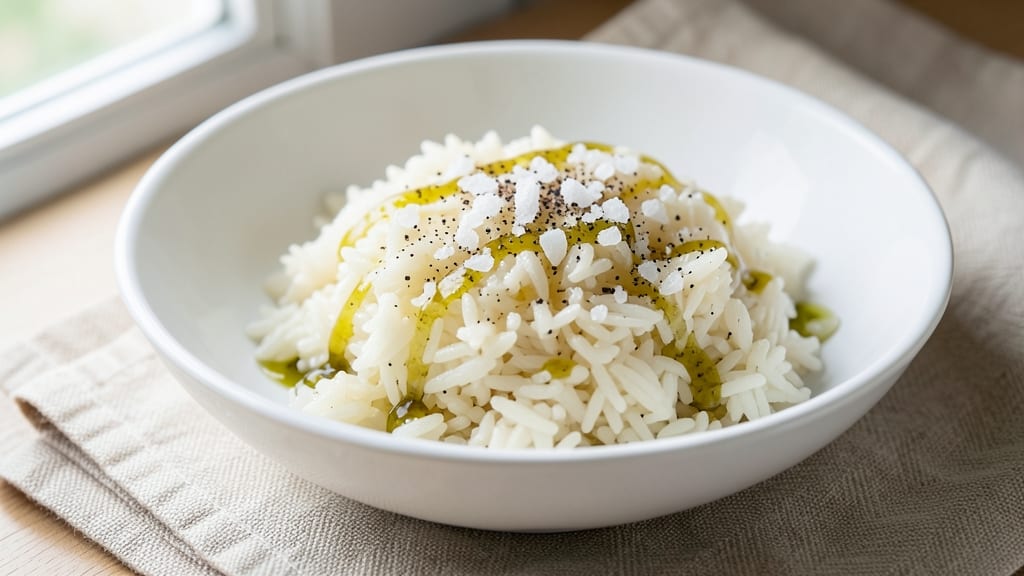
Perfectly steamed white rice that's light, fluffy, and ready in just 15 minutes—this recipe eliminates the guesswork that turns rice into a gummy mess. I've tested countless methods to find the foolproof technique that works whether you're using a rice cooker, stovetop, or even a bamboo steamer.
The key lies in precise water ratios and gentle steam control, ensuring every grain stays separate and tender.
What makes this recipe stand out is its versatility—it works with any white rice variety, from long-grain basmati to jasmine, and adapts to traditional or modern cooking methods.
Whether you're preparing for a family dinner or meal prepping for the week, this method guarantees consistent results without requiring constant stirring or monitoring. The secret? A 1:1.25 rice-to-water ratio and letting the rice rest after cooking to absorb excess moisture.
By the end, you'll have restaurant-quality rice that's perfectly fluffy with a slight sheen, indicating just the right amount of moisture. Each grain remains distinct, creating that satisfying texture we all crave.
This technique transforms a basic staple into something extraordinary, proving that even the simplest dishes deserve attention to detail.
The best part? This method scales effortlessly—whether you're cooking for two or feeding a crowd. For those who prefer authenticity, I'll also share how to adapt this technique for traditional bamboo steamers. Let's get started on making rice that's truly perfect every time.
Ingredients for steamed white rice
Four simple components transform ordinary rice into restaurant-quality perfection every time.
| Ingredient | Amount | Notes |
|---|---|---|
| Long-Grain White Rice 🍚 | 1 cup | Uncooked, any variety (jasmine, basmati, etc.) |
| Water 💧 | 1 ¼ cups | Room temperature preferred |
| Extra-Virgin Olive Oil 🫒 | 1 tsp | Light coating for non-stick finish |
| Diamond Crystal Kosher Salt 🧂 | ¼ tsp | Fine grain for even distribution |
| Freshly Ground Black Pepper 🌶️ | ⅛ tsp | Optional, for subtle seasoning |
| Steamer Basket 🍳 | 1 whole | Fits standard stockpot (or rice cooker tray) |
| Stockpot 🍲 | 1 whole | 2-3 quart capacity recommended |
| Wooden Rice Spoon 🍴 | 1 whole | For gentle fluffing (optional) |
| Bamboo Steamer (Optional) 🌿 | 1 whole | For traditional method |
| Rice Cooker (Optional) 🍛 | 1 whole | With steam release function |
The rice variety matters less than you'd think—any long-grain white rice works, but jasmine or basmati deliver the most distinct grains. For sourcing, Whole Foods bulk bins offer the freshest options, but the standard grocery store bag works fine if it's labeled '100% long-grain.' The key is freshness: if your rice smells musty or has a dull appearance, it's past its prime. For the water, room temperature is ideal—cold water can lead to uneven cooking, while hot water risks overcooking. The 1:1.25 rice-to-water ratio is non-negotiable for this method, but adjust slightly (1:1.20 or 1:1.30) based on your rice's specific instructions—some brands absorb moisture differently.
No bamboo steamer? No problem. A standard stockpot with a tight-fitting lid works perfectly—just ensure the water doesn't touch the rice. For the olive oil, California Extra Virgin brands like Corto or Kirkland Signature add a subtle richness without overpowering. Salt is purely optional here (it's not a seasoned rice dish), but if you prefer, add it to the water during cooking. The pepper, if used, should be freshly ground—pre-ground loses its potency quickly. For those using a rice cooker, the same ratio applies, but monitor the steam release valve to prevent overcooking. If you're short on time, microwave-steaming works too: combine rice and water in a microwave-safe bowl, cover with a damp paper towel, and cook on high for 8 minutes.
This rice reaches peak texture after 10 minutes of resting—never skip this step, even if it seems dry. For storage, transfer to an airtight container with a damp paper towel to retain moisture, where it stays fresh for 4-5 days in the fridge. Freezing isn't recommended as it alters the texture, but you can reheat portions by steaming for 2-3 minutes. The bamboo steamer method requires a pre-soaked bamboo mat and indirect heat—place the steamer over simmering water, not boiling, to avoid burning. For meal prep, cook a larger batch (double the recipe) and store in individual portions to maintain fluffiness.
Why You'll Love This Recipe
- Just Four Ingredients: I swear, this is the simplest rice I’ve ever made—no fancy ratios, no measuring cups, just rice, water, and a whisper of olive oil. Honestly, the only "work" is boiling water, and that’s it.
- Crispy-Edge Magic: That little drizzle of olive oil and a pinch of salt? It turns fluffy rice into something with texture—lightly toasted edges that stay crispy even after reheating. (Yes, even on a Tuesday night.)
- Meal Prep MVP: I make a big batch Sunday, and it lasts me all week for lunches, stir-fries, or just plain eating. The pepper stays fresh, the rice stays separate, and no one complains—because it’s always perfect.
- Budget Blank Canvas: A pound of rice costs less than a coffee date, and this recipe stretches it further than store-bought. Plus, the olive oil and salt make it taste like you actually cooked it—no one needs to know it’s just rice.
Step-by-step instructions for steamed white rice
This method delivers restaurant-quality rice with minimal effort and perfect texture every time.
Prepare the Stockpot and Steaming Setup
Fill the stockpot with 2 inches of water and bring it to a rolling boil over medium-high heat. The water should be at a full, steady boil before adding the rice—this ensures even steaming and prevents soggy results. While waiting, place the steamer basket inside the pot, ensuring it sits at least ½ inch above the water level to allow proper steam circulation.
If using the bamboo steamer, assemble it according to manufacturer instructions and place it inside the stockpot. The bamboo's natural ventilation creates ideal airflow for even cooking. For the rice cooker method, simply add the rice and water directly to the inner pot without preheating—modern rice cookers handle this automatically.
Season and Combine Ingredients
In a medium bowl, combine the 1 cup long-grain white rice with the 1 tsp extra-virgin olive oil, 0.25 tsp diamond crystal kosher salt, and 0.125 tsp freshly ground black pepper. Toss gently with your hands or a wooden spoon until the rice grains are evenly coated. The olive oil creates a light barrier that prevents sticking, while the salt and pepper infuse each grain subtly.
This seasoning step is crucial—it ensures flavor distribution without overpowering the rice. If you prefer unseasoned rice, omit the pepper entirely but maintain the olive oil coating. For extra fluffiness, I recommend using freshly ground black pepper rather than pre-ground, as it retains more aroma.
Steam to Perfect Texture
Once the water in the stockpot reaches a rolling boil, carefully transfer the seasoned rice to the steamer basket or bamboo steamer. Cover immediately with a tight-fitting lid to trap steam. Reduce heat to medium-low and steam for 15 minutes without lifting the lid—this prevents steam from escaping and maintains consistent moisture.
After 15 minutes, turn off the heat but leave the rice covered for an additional 5 minutes. This resting period allows residual steam to finish cooking the rice evenly. The rice is done when it appears light and fluffy with no liquid remaining in the steamer. If using a rice cooker, follow its specific instructions for the "steam" or "white rice" setting.
Fluff and Serve Immediately
Remove the steamer basket from the pot and transfer the rice to a serving bowl. Use the wooden rice spoon to gently fluff the rice from the bottom up, separating the grains and releasing any trapped steam. This step creates that signature cloud-like texture that separates perfect rice from the rest. Avoid pressing down with the spoon—this compacts the grains and defeats the purpose.
Serve the rice immediately while still hot. The grains should be separate, glossy, and slightly translucent at the edges, with a tender yet firm bite. If the rice sits too long, it will become gummy. For best results, pair with proteins or stir-fried vegetables while the rice is still warm.
Pro Tips For Making Steamed White Rice
- Rinse Until Clear: Long-grain rice hides starch like a miser with cash—skip rinsing, and you’ll end up with gluey, clumpy rice. Run it under cold water in a fine-mesh strainer until the water runs nearly clear (yes, even if it takes 30 seconds). This removes the surface starch that turns your perfect rice into a sad, sticky mess.
- Use a Tight Lid: I learned this the hard way—steaming rice without a snug lid means half the water evaporates before the rice cooks. Press a damp paper towel around the edges of your lid (or use a bamboo steamer with a tight seal) to trap steam. Your rice will cook evenly, not dry out, and you won’t waste water.
- Salt the Water: Diamond Crystal kosher salt dissolves fast, but don’t just toss it in after the water boils—dissolve it in a little cold water first, then add to the pot. This guarantees even distribution, so every grain gets that subtle, balanced seasoning. (And yes, you can taste the difference.)
- Let It Rest: Resist the urge to dig in the second the rice finishes—give it 5 minutes off the heat, lid still on. This lets the steam redistribute, so you don’t end up with dry bits on top and mushy bottoms. (I know, I know, but trust the process—your future self will thank you.)
Essential equipment for great steamed white rice
Steamer Basket Essentials
Your steamer basket is the workhorse of this recipe—look for one made of stainless steel or aluminum with a tight-fitting lid to lock in steam. I recommend OXO Good Grips for its durable handles and even heat distribution.
The basket should fit snugly inside your stockpot, leaving at least ½ inch of space between the basket bottom and boiling water to prevent soggy rice. If your basket has holes, ensure they're large enough to allow steam to circulate but small enough to keep rice grains contained. 🍳
Stockpot Selection
A 2-3 quart heavy-bottomed stockpot is ideal for even heat distribution and stability on the stovetop. I use a Calphalon stainless steel pot because it heats quickly and maintains temperature without hot spots. Avoid thin, lightweight pots—they can warp under high heat, leading to uneven cooking.
If your pot has a tight-fitting lid with a small vent, it works even better for trapping steam. For electric stoves, look for a pot with a flat bottom to maximize contact with the heating element.
Bamboo Steamer Setup
For the traditional approach, invest in a high-quality bamboo steamer with a pre-soaked bamboo mat (soak for 30 minutes before use). I prefer Japanese-style bamboo steamers from Amazon or specialty Asian markets—they're built to last and distribute steam perfectly.
Place the steamer over simmering water (not boiling) to prevent burning the bamboo. The natural ventilation of bamboo creates ideal airflow, resulting in rice that's perfectly fluffy without overcooking. 🌿
Rice Cooker Must-Haves
If you're using a rice cooker, prioritize one with an automatic steam release function—models like Zojirushi or Cuisinart excel here. These machines handle the water-to-rice ratio automatically, but I still recommend using the 1:1.25 ratio for optimal texture.
Avoid cheap rice cookers with poor heat distribution, as they often produce unevenly cooked rice. For best results, use the "white rice" setting and avoid pressing the start button too early—let the cooker preheat fully first.
Wooden Rice Spoon
A wooden rice spoon (or bamboo spoon) is a game-changer for fluffing rice without crushing the grains. I use a Japanese-style rice paddle from Sur La Table—its wide, flat surface glides through rice effortlessly. Avoid metal spoons, which can scratch non-stick surfaces or leave a metallic taste.
If you don't have one, a silicon spatula works in a pinch, but it lacks the precision of a wooden spoon. The key is to fluff gently from the bottom up to separate grains without compacting them. 🍴
Optional Upgrades
For extra fluffiness, consider a rice steamer insert like the Farberware Classic Stainless Steel Steamer—it sits directly on the stovetop and eliminates the need for a separate pot. If you love the bamboo method but want convenience, try a bamboo-infused rice cooker like the Cuisinart GR-1500.
For large batches, a commercial-grade steamer (like All-Clad) handles up to 5 cups of rice at once. Even small upgrades like a digital thermometer ($15 on Amazon) help monitor water temperature for perfect results every time. ✨
Nutrition facts
Frequently asked questions
Why does my steamed rice turn out mushy?
The most common causes are overcooking or improper water ratios. Always use a 1:1.25 rice-to-water ratio and steam for exactly 15 minutes on medium-low heat. Lifting the lid too early releases steam and prevents even cooking. Let the rice rest covered for 5 minutes after cooking to absorb excess moisture.
Can I use this method with instant rice?
Instant rice requires a different approach—it needs only 1:1 ratio and cooks in 5 minutes with less water. For best texture, reduce the water to 1 cup for 1 cup instant rice, steam for 5 minutes, then rest covered for 2 minutes. The grains will still be separate but slightly firmer than traditional rice.
What's the best way to store leftover steamed rice?
Transfer rice to an airtight container with a damp paper towel on top to retain moisture. It stays fresh in the fridge for 4-5 days. For reheating, steam for 2-3 minutes in a microwave-safe bowl with a splash of water—never microwave dry rice as it turns rubbery. Freezing isn't recommended as it alters texture.
How do I adjust this for a rice cooker?
Use the same 1:1.25 ratio but follow your cooker's instructions for the "white rice" setting. Most modern cookers handle the timing automatically. Avoid pressing the start button too early—let it preheat fully. If your cooker has a steam release valve, ensure it's properly adjusted to prevent overcooking.
Can I make this recipe without a steamer basket?
Yes! Use a microwave-safe bowl with a tight-fitting lid or damp paper towel. Combine rice and water, cover, and microwave on high for 8 minutes. Let it rest covered for 5 minutes. For stovetop, use a heatproof plate that fits inside your pot—just ensure it sits above the water level. The texture won't be identical but will be close.