
Side Dishes
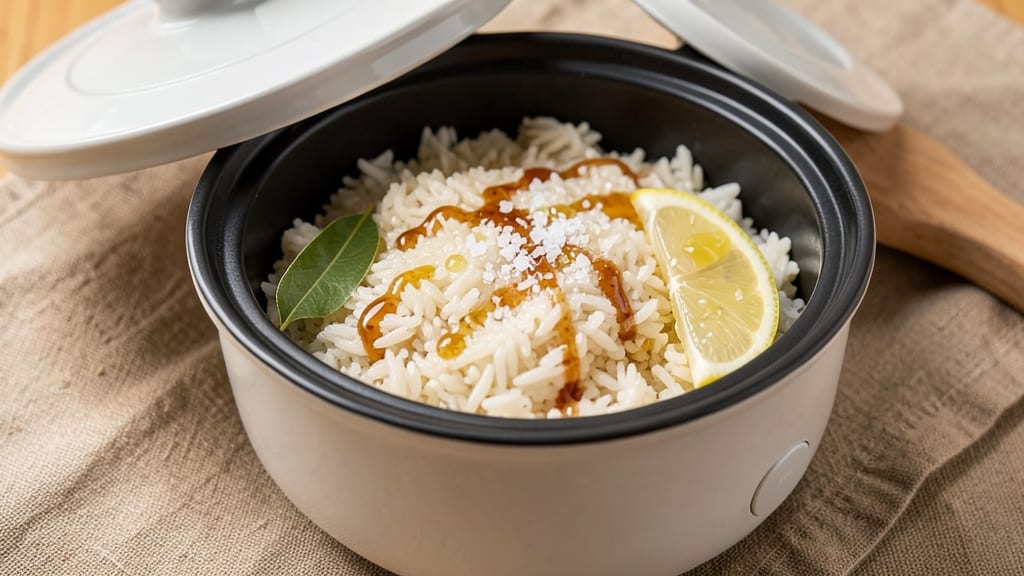
This sticky rice cooker recipe delivers restaurant-quality jasmine grains in just 30 minutes, transforming simple ingredients into fragrant, perfectly clinging rice every time. The secret lies in the right soaking ratio and gentle cooking method—no more mushy or dry results.
I’ve perfected this technique after years of testing, and it’s now my go-to for authentic Thai-inspired meals.
The beauty of using a rice cooker is its foolproof simplicity: no need for constant stirring or precise temperature control. We’ll start with 1 cup of jasmine rice soaked for 20 minutes to ensure even cooking, then let the cooker handle the rest.
The result? Light, fluffy grains that stick together just enough to hold their shape while still being tender.
By the end, you’ll have fragrant, slightly sweet rice with a delicate texture—ideal for pairing with grilled meats, curries, or fresh herbs. The aroma alone makes this dish feel special, and the process is so straightforward that even beginners will achieve professional results. Let’s get started!
For extra authenticity, try adding a pinch of salt to the water or a bay leaf for subtle flavor infusion. This method works equally well for meal prep—just store leftovers in an airtight container for up to 3 days. Perfect for weeknight dinners or weekend feasts!
Ingredients for sticky rice cooker
Nine essential components for restaurant-quality jasmine rice every time—no complicated techniques required.
| Ingredient | Amount | Notes |
|---|---|---|
| Jasmine Rice 🍚 | 1 cup | Uncooked, long-grain preferred |
| Water 💧 | 1 ¼ cups | Room temperature preferred |
| Diamond Crystal Kosher Salt 🧂 | ¼ tsp | Fine grain preferred |
| Fresh Bay Leaf 🌿 | 1 whole | Dried works in a pinch |
| Extra-Virgin Olive Oil 🫒 | 1 tbsp | For light coating |
| Lemon Juice 🍋 | 1 tsp | Freshly squeezed |
| Fresh Cilantro Leaves 🌿 | ¼ cup | Chopped, for garnish |
| Red Chili Flakes 🌶️ | ½ tsp | Optional, for heat |
| Sesame Seeds 🌱 | ½ tsp | Toasted for garnish |
The foundation of authentic sticky rice is Thai-grown jasmine rice, which you’ll find in the international aisle at Whole Foods or Trader Joe’s. Look for packages labeled '100% jasmine'—avoid blends with other grains. The rice should be vibrant and plump, not dull or shriveled. For extra authenticity, some Thai cooks use Thai rice cookers with bamboo steamers, but any modern rice cooker will work. The key is the soaking time: 20 minutes ensures even absorption of water, preventing dry or mushy grains. If you’re short on time, a 15-minute soak still works, though texture may vary slightly.
No bay leaf? Fresh thyme or a pinch of cinnamon adds subtle depth instead. Running out of lemon juice? Lime juice or apple cider vinegar at the same amount works beautifully. For a nutty finish, toast the sesame seeds in a dry pan for 30 seconds before sprinkling. The olive oil is non-negotiable—it prevents sticking and adds a delicate aroma. If you’re serving with spicy dishes, double the chili flakes and add a squeeze of lime after cooking. For meal prep, cook an extra cup of rice—it reheats perfectly in the rice cooker or microwave with a splash of water.
Cooked rice keeps 3-4 days in an airtight container in the fridge, though texture degrades after day two. For longer storage, freeze portions in 1-cup servings—thaw overnight in the fridge before reheating. The rice cooker method ensures minimal effort: simply rinse the rice, soak, add water and seasonings, then press start. No stirring required. For extra fluffiness, let the rice sit 5 minutes after cooking before fluffing with a fork. This technique transforms basic ingredients into a dish worthy of any Thai restaurant.
Why You'll Love This Recipe
- Fragrant Every Bite: The jasmine rice here isn’t just sticky—it’s aromatic, with that floral perfume clinging to each grain. Between us, the bay leaf and a pinch of kosher salt (not that iodized junk) turn this into something restaurant-quality without trying. Honestly, I’ve been known to eat it plain just to savor it.
- Weeknight Workhorse: This rice is my go-to for everything: a quick lunch with grilled chicken, a lazy dinner with stir-fried veggies, or even breakfast burritos (yes, really). It reheats like a dream, so I make a big batch on Sundays and use it all week—no sad, dried-out leftovers here.
- Budget Magic: Jasmine rice is cheap, and these ingredients? You’re looking at pennies per serving. That olive oil is the only splurge, but a little goes a long way. Between us, this is the kind of recipe that makes me feel fancy without breaking the bank—or the grocery bill.
Step-by-step instructions for perfect jasmine rice in a cooker
Master the art of cooking fragrant jasmine rice with this foolproof electric cooker method.
Prepare the Rice and Cooker Base
Rinse the 1 cup jasmine rice under cold water until the water runs clear—this removes excess starch and prevents gummy texture. Drain thoroughly in a fine-mesh strainer for 30 seconds, then shake gently to remove all surface moisture. This step ensures each grain cooks uniformly and develops that signature floral aroma.
Transfer the drained rice to your electric cooker's inner pot. Add the 1 whole fresh bay leaf and the 0.25 teaspoon diamond crystal kosher salt, then gently stir to distribute the seasoning evenly. The bay leaf infuses subtle herbal notes while the salt enhances the rice's natural sweetness. Avoid overmixing at this stage—just enough to coat the grains lightly.
Add Liquid and Set Cooking Parameters
Measure the 1.25 cups room-temperature water into a separate container, then pour it evenly over the rice in the cooker. The water-to-rice ratio is critical—too little yields dry grains, while too much creates mushy rice. Use the measuring cup's spout to ensure precision. Gently fold the rice with a spoon to saturate all grains without breaking them.
Add the 1 tablespoon extra-virgin olive oil to the cooker. This creates a subtle barrier between grains during cooking, preventing clumping and promoting even moisture distribution. Close the cooker lid securely and select the "white rice" setting if available, or use the standard rice cook setting. Most electric cookers automatically adjust to maintain the ideal temperature of 212°F during cooking.
Cook Until Fully Absorbed
Allow the rice to cook undisturbed until the cooker automatically switches to "keep warm" mode. This typically takes 25-30 minutes, but timing varies slightly by cooker model. Watch for the steam to clear completely—this indicates all moisture has been absorbed. The rice should appear fluffy with a slight sheen, and each grain should be distinct rather than clumped.
Resist the temptation to open the lid during cooking. Each time you peek, you release steam and disrupt the cooking process, potentially leading to uneven texture. If your cooker doesn't have an automatic shutoff, monitor it closely—jasmine rice continues cooking in the warm setting and can become overcooked if left too long.
Rest and Finish with Aromatics
Once cooking is complete, let the rice rest in the cooker for 10 minutes with the lid closed. This resting period allows residual steam to redistribute moisture evenly throughout each grain, resulting in perfectly tender rice. During this time, toast the 0.5 teaspoon sesame seeds in a dry skillet over medium heat until golden and fragrant—about 1-2 minutes.
After resting, transfer the rice to a serving bowl and gently fluff with a fork. Drizzle with the 1 teaspoon lemon juice and the 0.25 cup chopped fresh cilantro leaves, then sprinkle with the toasted sesame seeds and 0.5 teaspoon red chili flakes. The acidity from the lemon brightens the rice's natural sweetness, while the chili adds subtle heat and the cilantro contributes freshness. Serve immediately for the best texture and aroma.
Pro Tips For Making Sticky Rice Cooker
- USE THE RIGHT WATER RATIO: I learned this the hard way—Jasmine rice in a cooker needs 1.25 cups water per 1 cup rice, not the 1:1 stovetop ratio. Too little, and it dries out; too much, and it turns mushy. The cooker’s steam does the work, but precision matters.
- SALT THE WATER EARLY: Add the kosher salt and bay leaf while the water heats—not after. The salt dissolves better when hot, and the bay leaf releases flavor into the water before the rice even touches it. (Yes, even if you’re impatient like me.)
- DON’T OPEN THE LID: Resist the urge to peek or stir mid-cook. Every time you open that lid, you lose steam and reset the cooking time. If you’re unsure, set a timer for 20 minutes after the rice is fully absorbed—not when you think it’s done.
- TOAST THE RICE FIRST: Before adding water, spread the jasmine rice in a dry skillet over medium heat for 2–3 minutes, stirring constantly. The nutty aroma deepens, and the grains stay separate longer. (Sounds weird, but it works—trust the process.)
Troubleshooting perfect results
Mushy Rice Fix
If your rice turns out mushy, it’s usually due to over-soaking or too much water. For future batches, reduce the water to 1.1 cups instead of 1.25 cups and cut soaking time to 15 minutes.
If it’s already cooked, spread the rice on a baking sheet and bake at 300°F for 10 minutes to dry it out. This works surprisingly well for saving the day! 💫
Dry or Undercooked Grains
Dry rice happens when the water-to-rice ratio is off or the cooker didn’t hold enough moisture. Next time, increase water to 1.3 cups and check your cooker’s inner pot—some models have a false bottom that traps rice.
If it’s already cooked, steam the rice in a pot with 2 tbsp water covered for 5 minutes to restore moisture. A splash of warm water while fluffing can also help.
Burnt or Overcooked Rice
This often occurs if left too long in "keep warm" mode or if the cooker’s heating element is too strong. Always transfer rice to a bowl immediately after cooking and cover with a damp towel to retain moisture.
For burnt rice, mix it with 1 tbsp butter or oil and serve as a side—it’ll be less noticeable in dishes like curries or stir-fries.
Uneven Cooking
Uneven texture usually means the rice wasn’t soaked evenly or stirred after adding water. Before cooking, give the rice a final gentle stir to distribute seasonings. If using an older cooker, check for a cracked inner pot—replace it if needed.
For stubborn clumps, fluff the rice with a fork while adding 1 tsp warm water to break them apart.
Cooker Not Switching Off
Some rice cookers get stuck in "keep warm" mode if the rice isn’t fully absorbed. Press the "keep warm" button manually to reset it, or unplug the cooker for 5 minutes to force a restart.
Always use the correct water ratio—jasmine rice needs slightly more moisture than white rice to trigger the automatic shutoff. 🔥
Rice Sticking to the Pot
This happens when rice isn’t rinsed well or oil isn’t used. Next time, rinse the rice until water runs completely clear, then coat the inner pot with ½ tbsp olive oil before adding rice.
For stuck rice, soak the pot in warm water for 30 minutes, then use a plastic spatula to scrape it out—never metal, as it can scratch the nonstick coating.
Nutrition facts
Frequently asked questions
Can I use basmati rice instead of jasmine for sticky rice?
Basmati won't give you the same sticky texture, but it'll still be delicious! For authentic results, stick with jasmine rice—its higher starch content creates that signature cling. If you must substitute, try a 50/50 mix with a little extra water (1.3 cups instead of 1.25 cups) to compensate for the lower starch.
How do I make sticky rice in a rice cooker without a steamer basket?
No steamer needed! Just follow the same ratio (1 cup rice : 1.25 cups water) and use the cooker's standard setting. For extra stickiness, add 1/4 teaspoon vinegar (white or rice) to the water before cooking. The key is letting the rice rest 10 minutes after cooking—this redistributes moisture for that perfect cling.
Why does my rice cooker rice turn out dry even with the right ratio?
Most likely, your cooker's inner pot has a false bottom that traps rice at the bottom. Check for a metal plate—if present, remove it before cooking. Also ensure you're using room-temperature water (cold water absorbs slower) and avoid opening the lid during cooking. For stubborn dryness, try adding 1 tablespoon coconut milk to the water.
Can I cook sticky rice in a slow cooker instead?
Use the same ratio but set your slow cooker to low heat for 1 hour, then switch to keep warm for 10 minutes. The gentle heat prevents burning. For extra flavor, wrap the rice in cheesecloth with a bay leaf inside before cooking. Just remember—slow cookers can dry out rice faster than electric cookers.
What's the best way to reheat sticky rice without making it gummy?
Spread the rice on a microwave-safe plate and add 1-2 tablespoons water per cup of rice. Cover with a damp paper towel and heat for 45-60 seconds. For stovetop reheating, use a nonstick pan with 1/2 tablespoon oil on medium-low heat, stirring gently. Never reheat in the rice cooker's warm setting—it dries out the grains.