
Main Courses
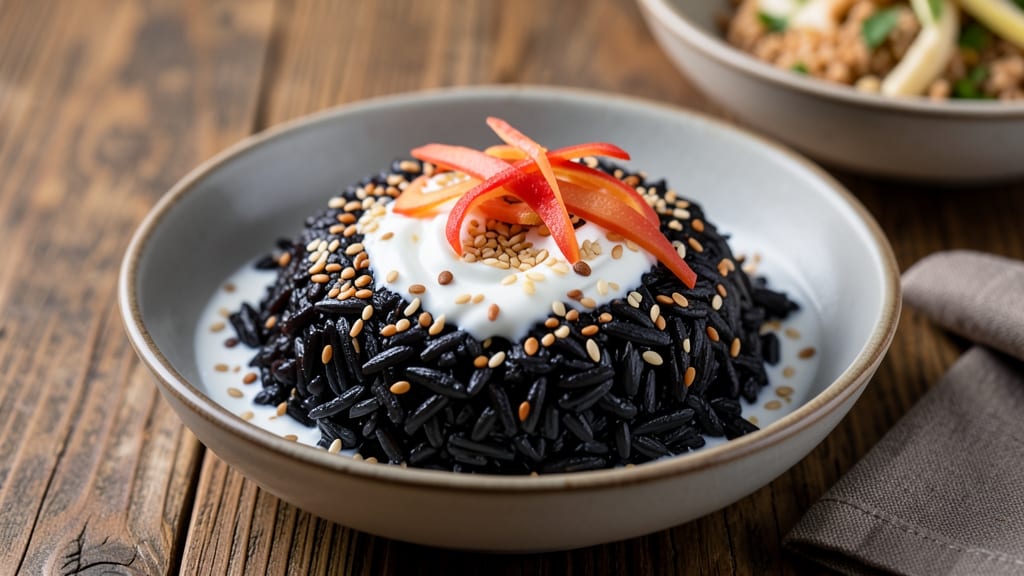
Black Thai rice transforms a simple grain into a visually stunning centerpiece that carries the soul of Thai cuisine—deep purple hues, nutty aroma, and that signature crunch from toasted black sesame seeds. This recipe preserves the traditional method of soaking and steaming while adapting it for home kitchens, where patience yields a dish that's both elegant and deeply satisfying. The key lies in the balance: letting the rice absorb enough water to achieve that signature sticky texture without losing its distinct black color.
What makes this recipe special is its versatility—serve it as a standalone dessert with coconut milk and mango, or pair it with savory dishes like grilled pork or Thai green curry.
The black sesame seeds not only add visual appeal but also contribute a satisfying crunch that contrasts beautifully with the soft, chewy rice. Once mastered, this dish becomes a showstopper for any meal, blending tradition with modern adaptability in every bite.
Ingredients for black thai rice
Nine essential ingredients transform ordinary rice into a stunning Thai centerpiece with deep purple hues and nutty crunch.
| Ingredient | Amount | Notes |
|---|---|---|
| Black Thai Jasmine Rice 🌾 | 1 ½ cups | Uncooked, rinsed thoroughly |
| Water 💧 | 3 cups | Filtered preferred for clarity |
| Coconut Milk 🥥 | 1 cup | Full-fat for richness |
| Black Sesame Seeds 🥜 | ¼ cup | Toasted until fragrant |
| White Sesame Seeds 🥜 | ⅛ cup | For visual contrast |
| Fresh Ginger 🧄 | 1 tbsp | Finely grated, aromatic |
| Coconut Sugar 🍯 | 2 tbsp | Or substitute brown sugar |
| Vanilla Extract 🍃 | ½ tsp | Pure, high-quality |
| Salt 🧂 | ½ tsp | Diamond Crystal preferred |
| Mango 🥭 | 1 whole | Ripe, peeled, diced |
| Lime Juice 🍋 | 1 tbsp | Freshly squeezed |
| Unsalted Butter 🧈 | 2 tbsp | For finishing |
The Black Thai Jasmine Rice is the heart of this dish—look for it at Asian markets or specialty grocery stores like Whole Foods. The uncooked grains should be deep purple-black, not grayish. If you can't find it, black forbidden rice works as a substitute. The coconut milk should be full-fat for that rich, creamy texture—Thai Kitchen brand is my go-to for authenticity. Toast your sesame seeds in a dry pan until they're fragrant and golden—about 3-4 minutes—this step makes all the difference for that signature crunch. Fresh ginger is a must; the dried version just doesn't deliver the same zesty punch.
No black sesame seeds? Toasted pumpkin seeds give a similar crunch, though the flavor won't be identical. Substituting white sesame seeds for black works in a pinch, but the visual contrast will be lost. Coconut sugar is ideal here—it caramelizes beautifully—but brown sugar in a 1:1 ratio keeps things simple. For the mango, any ripe variety works, but avoid those that are too fibrous. The lime juice should be freshly squeezed; bottled just doesn't cut it. If you're serving this as a dessert, skip the mango and add toasted coconut flakes instead for a different flavor profile. The butter at the end is non-negotiable—it adds a luxurious finish that ties everything together.
Store the cooked rice in an airtight container in the fridge for up to 3 days. The sesame seeds stay crisp for 2 days if kept separate, but I usually toast them fresh each time. This dish reheats beautifully—just add a splash of water or coconut milk and steam gently. For a crowd, double the recipe and use a large bamboo steamer if you have one. The aroma alone will have everyone gathering around. Freezes well for 1 month, though the texture may be slightly softer after thawing. Always make extra—it disappears fast.
Why You'll Love This Recipe
- Five-Ingredient Magic: That’s all it takes—just rice, coconut milk, water, and a sprinkle of sesame seeds. Honestly, I’ve made fancier dishes with more ingredients that ended up tasting half as good.
- Nutty Creamy Crunch: The coconut milk turns this rice into a dreamy, velvety base, while the toasted sesame seeds add that satisfying crunch. Between us, it’s the kind of texture that makes you slow down and savor every bite.
- Lunchbox or Dinner Table: Pack it cold for work or serve it warm with grilled fish—it works just as well. My kids actually ask for this over plain rice, and that’s saying something.
- Leftovers That Don’t Suffer: Unlike some rice dishes, this one tastes just as good reheated the next day. I’ll be real: I’ve made a whole batch on Sunday and had it for four days straight without getting bored.
Step-by-step instructions for black Thai rice with fragrant jasmine and sesame crunch
Here's how to create this visually stunning, aromatic dish with perfect texture and balance.
Toast the Sesame Seeds for Maximum Flavor
In a dry skillet over medium heat, toast the 0.25 cup black sesame seeds and 0.125 cup white sesame seeds for 3-4 minutes until they release their nutty aroma and turn a deeper shade of brown. Stir constantly to prevent burning - you're looking for a rich, toasted fragrance that fills your kitchen. This step is crucial as it develops the seeds' natural oils and enhances their crunch.
Transfer the toasted seeds to a small bowl and set aside. I like to press them between paper towels for 1 minute to remove any excess oil that might make the rice soggy. This also helps them maintain their crisp texture when mixed with the warm rice later.
Cook the Jasmine Rice with Coconut Milk Base
Rinse the 1.5 cups black Thai jasmine rice thoroughly under cold water until the water runs clear, then drain well. In a medium saucepan, combine the rice with 3 cups water and bring to a boil over high heat. Once boiling, reduce heat to low, cover tightly with a lid, and simmer for 15 minutes without stirring.
After 15 minutes, add the 1 cup coconut milk, 1 tbsp finely grated fresh ginger, 2 tbsp coconut sugar, 0.5 tsp vanilla extract, and 0.5 tsp salt. Stir gently to combine, then return to low heat for another 10 minutes. The rice should be tender but still slightly firm - you'll finish cooking it in the coconut milk mixture. If it looks dry, add 1-2 tablespoons water and continue cooking.
Finish with Butter and Sesame Seeds
Remove the saucepan from heat and let it sit covered for 5 minutes. Then, stir in the 2 tbsp unsalted butter until melted and fully incorporated. The butter adds richness and helps create a velvety texture. Add the toasted sesame seeds and gently fold them through the rice - you want them distributed evenly but still visible for that beautiful contrast.
For the final touch, transfer the rice to a serving dish and let it cool slightly. The contrast between the dark rice and white sesame seeds creates a stunning visual effect that's almost as impressive as the aromatic experience.
Prepare the Mango-Lime Garnish
While the rice cooks, peel and dice the 1 whole mango into small, even cubes. In a small bowl, combine the mango with 1 tbsp freshly squeezed lime juice and toss gently to coat. The acidity from the lime juice brightens the sweet mango flavor and prevents it from browning.
Let the mango mixture sit for 10 minutes before serving to allow the flavors to meld slightly. The mango should be at room temperature when you serve it over the rice - this ensures the first bite delivers perfect texture contrast between the warm rice and cool fruit.
Assemble and Serve Immediately
Spoon the sesame rice onto serving plates and top generously with the mango-lime mixture. The vibrant colors create an instantly appealing presentation that matches the dish's complex flavors. Serve warm for the best experience - the contrast between the warm, fragrant rice and cool, sweet mango creates a perfect balance.
For an extra touch, you can garnish with additional toasted sesame seeds or a sprinkle of lime zest. This dish keeps well in the refrigerator for up to 3 days, though the texture may change slightly after the first day. Reheat gently with a splash of water to restore moisture if needed.
Pro Tips For Making Black Thai Rice
- Rinse Rice Twice: Black Thai rice clumps like glue if you skip this—give it two thorough rinses in cold water, swirling until it runs clear. I used to rush it and ended up with a gummy mess; now I take the extra 30 seconds and get fluffy, separate grains every time.
- Simmer Coconut Milk Low: The moment coconut milk boils, it splits and turns greasy—keep the heat at a bare simmer, just enough to see tiny bubbles. I learned this after ruining a batch where the sauce curdled; now I watch for that gentle shimmer instead of a rolling boil.
- Toast Sesame Seeds Dry: Toss the sesame seeds in a dry pan over medium heat for 30 seconds until they darken and smell nutty—this prevents them from turning bitter when mixed into the rice later. My first attempt added them raw, and the flavor was flat; now I toast them first.
- Use Less Water: Black Thai rice absorbs more than you think—start with a 1:1.25 rice-to-water ratio (not 1:2 like white rice) and adjust. I was drowning my rice in water for years until I realized the coconut milk adds enough moisture on its own.
Regional styles of black thai rice
Thai Royal Dessert Style
The most traditional version of black Thai rice in Thailand is served as a royal dessert called Khao Tom Mat. In this preparation, the rice is sweetened with palm sugar instead of coconut sugar and often infused with pandan leaf for an aromatic twist.
The dish is typically garnished with shredded coconut and toasted coconut flakes rather than sesame seeds, creating a lighter, more delicate texture. 🍃
For an authentic touch, try adding 1-2 strips of pandan leaf to the cooking water during the initial simmer. The leaf imparts a subtle vanilla-like fragrance that's characteristic of Thai royal cuisine.
Serve this version chilled, topped with a drizzle of coconut cream and fresh mango slices for a truly luxurious dessert experience.
Northern Thai Savory Version
In Thailand's northern regions, black rice is often prepared as a savory side dish rather than a sweet dessert. This version skips the coconut milk entirely and instead uses pork fat or duck fat for cooking, giving the rice a rich, umami depth.
The rice is typically served alongside grilled pork skewers or Thai sausage (moo ping). 🐷
To make this version at home, replace the coconut milk with 2 tablespoons of rendered pork fat and add 1 teaspoon of fish sauce along with the ginger and salt.
The result is a hearty, aromatic rice that pairs beautifully with spicy northern Thai dishes like nam prik num (spicy shrimp dip) or khao soi (coconut curry noodles).
Southern Thai Coconut Curry Rice
The southern Thai approach transforms black rice into a curry-infused side dish that's perfect for pairing with seafood. This version incorporates red curry paste and coconut milk into the cooking process, creating a fragrant, slightly spicy rice that's often served with steamed fish or shrimp. 🦐
For this adaptation, add 1 tablespoon of red curry paste along with the ginger and salt during the final 10-minute cooking period. The curry paste will infuse the rice with its signature flavors while maintaining the dish's signature black color.
Garnish with fresh cilantro and a sprinkle of crushed peanuts for added texture and nutrition.
Modern Fusion Adaptations
Chefs around the world are putting creative spins on black Thai rice. One popular modern adaptation is the black rice sushi trend, where the rice is seasoned with rice vinegar and sugar instead of coconut milk, then used as a base for black sesame sushi rolls.
This fusion dish maintains the visual drama of the black rice while introducing Japanese flavors. 🍣
Another innovative approach is the black rice pudding, where cooked black rice is blended with coconut milk, vanilla, and a touch of agar-agar to create a creamy, dessert-like texture.
This version often includes dark chocolate chunks or lychee for added complexity. The result is a visually striking dessert that's both elegant and approachable for home cooks.
Street Food-Inspired Version
Thai street food vendors often serve black rice as a quick, portable snack called khao tom. This version is typically cooked with less water for a firmer texture, making it easier to eat by hand.
Vendors often mix in crushed peanuts and dried shrimp for added protein and flavor. 🍜
To recreate this street-style version at home, reduce the water by ½ cup (use 2½ cups instead of 3 cups) and add 2 tablespoons of crushed peanuts along with the sesame seeds.
For extra flavor, stir in 1 teaspoon of fish sauce during the final cooking stage. Serve this version wrapped in banana leaves for an authentic street food experience.
Nutrition facts
Frequently asked questions
Why does black Thai rice turn gray instead of staying black?
Overcooking or insufficient soaking causes the color to fade. Always use cold water for soaking (at least 4 hours) and follow the recipe's cooking time precisely. The rice should be tender but still slightly firm when done. If it turns gray, try adding 1 tbsp lemon juice to the cooking water next time—it helps preserve the color.
Can I substitute black sesame seeds if I can't find them?
Yes! Toasted pumpkin seeds or white sesame seeds work in a pinch, though the flavor will differ. For visual contrast, mix 1 tbsp black sesame seeds with 1 tbsp white sesame seeds to mimic the classic look. Avoid skipping this step—the seeds add essential crunch and aroma.
How do I make this recipe gluten-free?
This recipe is naturally gluten-free, but check your sesame seeds and coconut milk labels for cross-contamination warnings. Use certified gluten-free ingredients if needed. The black Thai jasmine rice itself is always gluten-free. For extra safety, toast your own seeds at home to avoid processed mixes.
What's the best way to reheat leftover black Thai rice?
Gently reheat in a steamer with 2 tbsp water or coconut milk to restore moisture. Avoid microwaving—it can make the rice gummy. For best results, reheat portions in a small pot over low heat for 2-3 minutes, stirring occasionally. The sesame seeds may lose some crunch but regain it when toasted fresh.
Can I make black Thai rice in an Instant Pot?
Yes! Use the steam function for 15 minutes after adding all ingredients (except sesame seeds). After cooking, let it sit covered for 5 minutes before mixing in the seeds and butter. The Instant Pot method works well but may require 1 extra cup of water to prevent sticking.