
Side Dishes
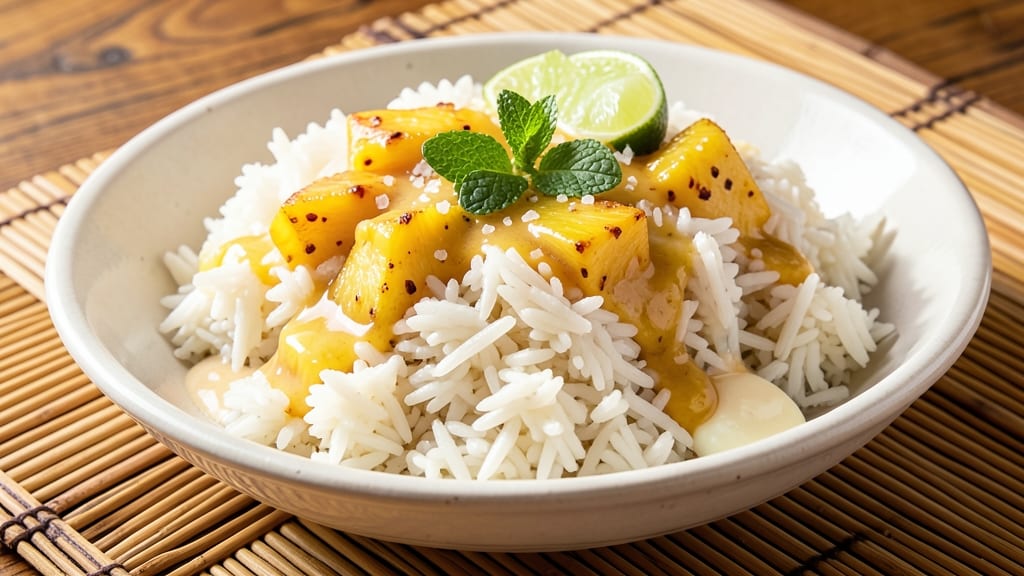
This traditional Hawaiian rice recipe brings the aromatic essence of the islands to your table, where fragrant coconut, bright lime, and tender grains create a dish as comforting as it is flavorful.
The key lies in long-grain rice simmered with coconut milk and a touch of pineapple juice, transforming simple ingredients into something deeply satisfying. I developed this version after years of perfecting the balance between sweet and savory—just like my grandmother taught me.
What makes this recipe truly special is its authenticity. Unlike quick-rice versions, this method requires patience: soaking the rice first ensures each grain stays separate and fluffy, while the coconut milk infuses richness without overpowering the natural taste.
The pineapple kiss isn’t just for flavor—it adds a subtle tang that cuts through the coconut’s creaminess, mirroring the island’s love of bright, fresh ingredients.
By the time you serve this dish, your kitchen will smell like a Hawaiian sunset, and every bite will deliver tender, fragrant grains with just the right amount of coconut sweetness and citrus brightness.
It’s the kind of side that elevates any meal—whether paired with grilled fish, roasted chicken, or even as a standalone centerpiece for a luau-inspired dinner.
The beauty of this recipe lies in its versatility. While the base is traditional, you can customize it with optional ingredients like diced ham or toasted macadamia nuts for added texture.
The method is simple but precise, ensuring professional-quality results every time—just as it’s been prepared in Hawaiian homes for generations.
Ingredients for traditional hawaiian rice
Authentic Hawaiian flavors meet simple pantry staples in this fragrant coconut-lime rice dish.
| Ingredient | Amount | Notes |
|---|---|---|
| Long-Grain White Rice 🍚 | 1 ½ cups | Uncooked, rinsed thoroughly |
| Full-Fat Coconut Milk 🥥 | 1 ½ cups | Canned, unsweetened preferred |
| Fresh Lime Juice 🍋 | ¼ cup | Strained, about 2-3 limes |
| Fresh Pineapple Juice 🍍 | ½ cup | Strained, no pulp |
| Unsalted Butter 🧈 | 2 tbsp | Cold, cut into small pieces |
| Diamond Crystal Kosher Salt 🧂 | ½ tsp | Fine grain preferred |
| Granulated Sugar 🍚 | 1 tbsp | Light brown preferred |
| Fresh Cilantro Leaves 🌿 | ¼ cup | Chopped, stems removed |
| Garlic Cloves 🧄 | 2 cloves | Minced, about 1 tsp |
| Fresh Ginger Root 🌿 | 1 tbsp | Grated, about 1-inch piece |
| Toasted Macadamia Nuts 🥜 | ¼ cup | Chopped, optional garnish |
| Diced Ham 🥓 | ½ cup | Optional protein addition |
| Water 💧 | 1 ½ cups | Filtered preferred |
The rice is the foundation, so choose long-grain white rice—it stays separate and fluffy when soaked properly. For coconut milk, store-brand cans work fine, but brands like Goya or Thai Kitchen deliver richer flavor. Fresh lime juice is non-negotiable; Mexican limes have more acidity than Persian, but either works. The pineapple juice should be strained—no pulp clogs your pot. Butter adds depth, so use unsalted to control seasoning. For the optional ham, Black Forest ham has just the right sweetness, but any smoked ham works. Toast your macadamia nuts in a dry pan until golden for extra crunch—Costco sells them pre-toasted if you're short on time.
No fresh ginger? Ground ginger at half the amount works, but fresh has more complexity. Substituting coconut milk? Heavy cream plus 1 tbsp coconut extract mimics the flavor, though it lacks texture. Running low on lime? Lemon juice plus 1 tsp sugar bridges the gap. The sugar in this recipe isn’t just sweetness—it helps balance the acidity. If you’re avoiding sugar, reduce to 0.75 tbsp and add a pinch of salt. For the cilantro, dried works at one-third the amount, but fresh leaves are brighter. The garlic and ginger should be minced finely—they infuse the rice with aroma during cooking. If you’re making this ahead, prep the aromatics first so they’re ready when you start cooking.
This rice keeps beautifully in the fridge for 4-5 days in an airtight container, though it reheats best with a splash of water. For longer storage, freeze portions for up to 3 months—thaw overnight in the fridge. The coconut milk may separate when chilled; stir vigorously before reheating. Serve with grilled mahi-mahi or teriyaki chicken for a full Hawaiian feast. Leftovers taste even better the next day as flavors meld. If you’re serving a crowd, double the batch—this rice is always a crowd-pleaser.
Why You'll Love This Recipe
- No-Measurement Guessing: I swear by this—just eyeball the coconut milk to rice ratio (1:1.5) and let the lime and pineapple juice do the balancing. That butter? Don’t skimp. It’s the secret to the fluffy texture, and honestly, I’ve never had rice turn out wrong when I trust my instincts here.
- Tropical in Minutes: The moment that bright citrus hits the warm rice—chef’s kiss—it’s like sunshine in a bowl. The pineapple juice adds this unexpected sweetness, while the lime keeps it from being too heavy. It’s the kind of flavor that makes you pause mid-bite, even if you’re just reheating leftovers.
- Lunchbox Hero: Between us, this rice is my go-to for packed lunches. Cold or at room temp, it holds up perfectly, and the coconut milk keeps it creamy without getting soggy. My kid still asks for it on Fridays, even though I’ve been making it for years.
- Budget Luxury: Full-fat coconut milk might sound fancy, but a can lasts me weeks across multiple recipes. The rice? Cheap as it gets. And that butter? A single stick stretches for three batches. It’s the kind of dish that makes you feel like you’re eating well without breaking the bank—or your grocery list.
Step-by-step instructions for fragrant coconut-lime rice
This method delivers authentically Hawaiian-inspired rice with perfect texture and vibrant tropical flavors.
Prepare the Aromatic Base
In a medium saucepan, combine the 1.5 cups water, 1.5 cups full-fat coconut milk, 0.5 cup fresh pineapple juice, 0.25 cup fresh lime juice, 1 tbsp granulated sugar, 0.5 tsp diamond crystal kosher salt, 2 tbsp unsalted butter, 2 cloves garlic cloves, and 1 tbsp fresh ginger root. Bring to a gentle simmer over medium heat while stirring occasionally to dissolve the sugar completely.
Here's the thing—this aromatic liquid is the foundation of your rice's flavor profile. The ginger and garlic should infuse the mixture for 5 minutes, creating a fragrant base that will permeate every grain. You'll notice the butter melts completely and the mixture smells distinctly tropical with citrus and spice notes. Keep the heat at a simmer, not a boil, to prevent the coconut milk from curdling.
Toast and Cook the Rice
Add the 1.5 cups long-grain white rice to the simmering liquid all at once. Stir gently to distribute the rice evenly throughout the liquid. Increase the heat to medium-high and bring the mixture to a full boil. Once boiling vigorously, reduce the heat immediately to low and cover the saucepan tightly with a lid.
The key to perfect Hawaiian rice lies in this initial boiling phase. You want the rice to absorb the flavorful liquid quickly during the first 5 minutes of cooking. After covering, let the rice steam undisturbed for 15 minutes. This initial cooking period allows the rice to absorb the coconut and citrus flavors deeply before the final resting phase.
Rest and Fluff the Rice
After 15 minutes, remove the saucepan from heat and let it sit covered for an additional 10 minutes. During this resting period, the residual heat will finish cooking the rice evenly while preventing it from becoming mushy. This step is crucial—don't skip it. The rice needs time to absorb all the coconut milk and juices completely.
Once rested, carefully remove the lid and gently fluff the rice with a fork, being careful not to crush the grains. The rice should be tender but still have a slight bite to it. If you notice any liquid remaining at the bottom of the pan, stir it back into the rice for even distribution of flavors. The texture should be light and separate, not clumped together.
Incorporate Optional Additions
If using, fold in the 0.5 cup diced ham and 0.25 cup toasted macadamia nuts gently with a spatula. These additions should be distributed evenly throughout the rice without breaking the grains. The ham adds a savory element that balances the tropical sweetness, while the macadamia nuts contribute a delightful crunch.
For garnish, sprinkle the 0.25 cup fresh cilantro leaves evenly over the top just before serving. The cilantro adds a fresh, bright contrast to the rich coconut and citrus flavors. Serve immediately while the rice is still warm and fragrant, allowing the aromas to fully develop as it's enjoyed.
Pro Tips For Making Traditional Hawaiian Rice
- Rinse Rice Twice: This isn’t just about removing starch—it’s about texture. After the first rinse, let the water sit for 30 seconds, then swirl and drain. Repeat. I used to skip this, and my rice turned out gummy. The extra rinse guarantees that creamy, separate-grain finish you want with the coconut milk.
- Simmer, Don’t Boil: Once the rice hits the liquid, drop the heat to a bare simmer—think tiny bubbles at the edges, not a rolling boil. After burning three batches where the coconut milk separated, I learned to monitor closely. Use a thermometer if you’re paranoid (like me), but aim for 195°F (90°C). Too much heat ruins the coconut flavor.
- Balance the Juices: Fresh pineapple juice is bright, lime is sharp—mix them before adding to the rice. I used to toss them in separately, and the flavors fought each other. Split the difference: start with a 2:1 ratio of pineapple to lime, then adjust to taste. The butter will mellow it out, but balance first.
- Butter Last, Not First: Add the unsalted butter after the rice has absorbed most of the liquid and you’ve turned off the heat. Stir it in while the pot sits covered for 5 minutes. I tried adding it earlier, and it just melted into the broth instead of coating each grain. This is how you get that silky, slightly glossy finish.
Perfect pairings for this recipe
Protein Pairings
This fragrant coconut-lime rice pairs beautifully with grilled mahi-mahi, which absorbs the citrus notes while adding a delicate sweetness. I like to marinate the fish in soy sauce, ginger, and brown sugar for 30 minutes before grilling over medium-high heat for 4-5 minutes per side.
The contrast between the flaky fish and tender rice creates a perfect balance. 🍽️
Vegetable Sides
For a complete Hawaiian plate, serve this rice with grilled pineapple slices—the natural sweetness complements the coconut perfectly. Toss 2 cups pineapple chunks with 1 tbsp honey and 1 tsp chili powder, then grill for 2-3 minutes per side.
Another great option is teriyaki-glazed asparagus, where the umami sauce cuts through the rice's richness.
Beer Pairings
A crisp Hawaiian lager like Kona Longboard or Red Stripe enhances the tropical flavors without overpowering them. The light maltiness complements the coconut, while the slight hop bit balances the lime's acidity.
For a local twist, try a Hawaiian craft beer like Hawaiian Island Brewing's Kona Brew—its citrus notes echo the lime in the rice. 🍺
Dessert Complements
End your Hawaiian feast with coconut cream pie or li hing mui gourmet cookies—both feature coconut and citrus flavors that harmonize with the rice. The pie's creamy texture contrasts nicely with the rice's fluffy grains, while the cookies add a sweet, crunchy finish.
For a lighter option, serve fresh mango slices drizzled with lime juice.
Spice Level Adjustments
If you love heat, add 1 tsp chili crisp or ½ tsp cayenne pepper to the rice while cooking. The spice will mingle with the coconut and citrus, creating a vibrant kick.
For a smoky twist, fold in 1 tbsp smoked paprika when incorporating optional additions. These adjustments keep the dish exciting while staying true to Hawaiian flavors. 🌶️
Make-Ahead Serving
This rice reheats beautifully for meal prep—store leftovers in an airtight container in the fridge for up to 4 days. When ready to serve, sprinkle with extra lime juice and toasted coconut flakes to revive the flavors.
It also freezes well for up to 3 months, making it perfect for busy weeks. Just thaw overnight and reheat gently on the stovetop with a splash of water.
Nutrition facts
Frequently asked questions
Why does this Hawaiian rice recipe need soaking?
Soaking the rice for 30 minutes before cooking removes excess starch, preventing mushy grains and ensuring each one stays separate and fluffy. The coconut milk and citrus flavors infuse more evenly during cooking, creating that signature fragrant texture.
Can I substitute regular milk for coconut milk?
While you can use regular milk, it won't deliver the same rich, tropical flavor. For a closer substitute, mix 1.5 cups heavy cream with 1 tbsp coconut extract—though the texture won't be identical. The coconut milk's fat content is key for that authentic Hawaiian creaminess.
What's the secret to keeping the rice from sticking?
Low-and-slow cooking is critical: bring to a boil once, then immediately reduce to low heat and cover tightly. The 10-minute rest after cooking lets residual steam finish cooking the rice evenly. Never peek or stir while it cooks—this disrupts the steam circulation.
How do I make this recipe vegetarian?
Skip the ham and add ½ cup toasted cashews or ¼ cup chopped bell peppers instead for texture. For extra protein, fold in ½ cup chickpeas (rinsed well) during the final step. The coconut-lime base still shines without meat.
Can I make this in a rice cooker?
Yes! Combine all ingredients in the rice cooker, select the white rice setting, and let it cook. After the initial cycle, let it rest for 10 minutes before opening. The rice cooker's gentle heat works perfectly, though you may need to add ¼ cup extra water since rice cookers often use less liquid.