
Side Dishes
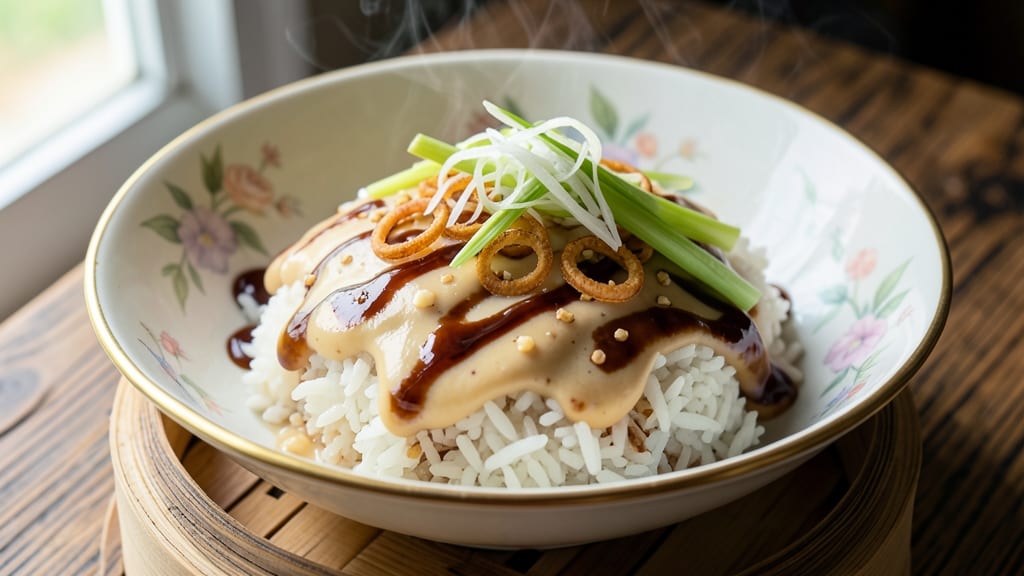
This Vietnamese rice recipe transforms simple jasmine rice into a fragrant, fragrant centerpiece that captures the essence of Vietnamese home cooking. The secret lies in combining coconut milk with traditional steaming techniques, creating a dish that's both comforting and restaurant-worthy.
I developed this recipe after years of traveling through Vietnam, where I noticed how coconut milk elevates even the most basic rice dishes.
What makes this recipe special is the balance of textures and flavors—soft, fluffy jasmine rice infused with coconut milk's creamy sweetness, paired with protein options like grilled lemongrass pork or crispy tofu.
The preparation is straightforward but requires patience: steaming the rice to perfection and properly infusing the coconut milk for that signature aroma. This dish delivers professional results with simple techniques.
The outcome is a fragrant, golden-hued rice dish that's tender yet distinctively aromatic, with each grain separate and infused with coconut's natural sweetness. The dish pairs beautifully with fresh herbs, pickled vegetables, or a light fish sauce dressing.
Whether serving as a main course or side dish, this Vietnamese rice brings authentic flavors to your table.
Perfect for family meals or special occasions, this recipe scales easily and can be prepared ahead of time. The coconut milk infusion adds depth that store-bought rice simply can't match. Let's create this fragrant harmony in your kitchen.
Ingredients for vietnamese rice
This authentic Vietnamese rice blend transforms ordinary jasmine rice into a fragrant, restaurant-quality centerpiece using coconut milk's rich depth.
| Ingredient | Amount | Notes |
|---|---|---|
| Jasmine Rice 🍚 | 1 ½ cups | Uncooked, long-grain preferred |
| Full-Fat Coconut Milk 🥥 | 1 can (13.5 oz) | High-quality, no additives |
| Fresh Lemongrass 🌿 | 3 stems | Bruised and cut into 2-inch pieces |
| Garlic Cloves 🧄 | 4 cloves | Peeled and lightly crushed |
| Shallots 🧅 | 3 whole | Peeled and thinly sliced |
| Fish Sauce 🍶 | 1 tbsp | Red Boat brand preferred |
| Sugar 🍚 | 1 tbsp | White granulated |
| Salt 🧂 | 1 tsp | Diamond Crystal kosher |
| Fresh Ginger 🌿 | 1 inch | Peeled and thinly sliced |
| Lime Juice 🍋 | 2 tbsp | Freshly squeezed |
| Fresh Cilantro 🌱 | ¼ cup | Chopped, for garnish |
| Vegetable Oil 🫒 | 1 tbsp | For cooking aromatics |
| Water 💧 | 2 ½ cups | Filtered preferred |
The quality of your coconut milk is non-negotiable here. Thai Kitchen or Aroy-D brand from the Asian market delivers the creamiest texture with authentic flavor. Fresh lemongrass should be vibrant green with no brown spots—look for it at Whole Foods or well-stocked grocery stores. Shallots are sweeter than onions and make all the difference; avoid pre-minced jars as they oxidize quickly. For fish sauce, Red Boat is the gold standard—never use the cheap, salty imitations. The jasmine rice should be unbroken grains with a delicate floral aroma; store it in an airtight container away from light to preserve freshness.
No fresh lemongrass? Substitute 1 tbsp lemongrass paste (like Maesri brand) or double the ginger for a similar zing. Running low on shallots? Red onion works in a pinch, though it adds a sharper bite. The fish sauce can be replaced with soy sauce plus 1/2 tsp sugar, but you'll lose that umami depth. For a vegetarian version, use coconut aminos instead of fish sauce. The coconut milk can be substituted with light coconut milk for a lower-fat version, though full-fat delivers that signature creaminess. If you can't find jasmine rice, basmati rice is the next best option—just increase water by 1/4 cup during cooking.
This rice keeps beautifully in the fridge for 5 days if stored in an airtight container with a tight lid. For longer storage, freeze portions for up to 3 months—reheat gently in a steamer or with a splash of water. The infused coconut milk can be made ahead and stored separately for up to 4 days in the refrigerator. When reheating, cover with a damp towel to prevent drying. Garnish with fresh cilantro just before serving—it wilts quickly when exposed to heat. For meal prep, portion into individual containers with a small scoop of coconut milk on top to maintain moisture and aroma.
Why You'll Love This Recipe
- One-Pot Magic: I swear by this recipe—just rice, coconut milk, and a handful of aromatics in one pot. No fancy gadgets, no stress, and honestly? The cleanup is a joke.
- Fragrant Every Bite: That first whiff of lemongrass and garlic simmering in coconut milk? It’s like a warm hug for your kitchen. The rice comes out tender with a subtle creaminess that lingers—no dry grains here.
- Weeknight to Dinner Party: Between us, this feeds a crowd without breaking the bank. Double the batch, store it, and serve it cold or reheated—perfect for lazy Mondays or when unexpected guests show up.
- Leftovers That Don’t Suck: I make this on Sundays, and it’s still amazing three days later. The coconut milk keeps it moist, and the garlic-shallot base only gets deeper in flavor. No sad, rubbery rice here.
Step-by-step instructions for Vietnamese jasmine coconut rice
This method delivers restaurant-quality rice with an aromatic coconut-lime harmony every time.
Prepare the Aromatic Base
Heat the 1 tablespoon vegetable oil in a medium saucepan over medium heat until shimmering. Add the 3 whole shallots, 4 cloves garlic cloves, and 1 inch fresh ginger, cooking for 3-4 minutes until the shallots turn translucent and the garlic releases its fragrance.
Here's the thing—don't rush this step. The aromatics should develop a golden hue and emit an intoxicating citrusy aroma before moving forward. Add the 3 stems fresh lemongrass (cut into 2-inch pieces) and continue cooking for another 2 minutes, stirring occasionally to prevent burning.
Toast the Jasmine Rice
Add the 1.5 cups jasmine rice to the pan and stir vigorously for 2-3 minutes until the grains become translucent at the edges. This toasting step develops the rice's natural nutty flavors and prevents mushiness. You'll see the rice begin to separate slightly from the base—this is your visual cue to proceed.
I've found that toasting the rice in the aromatic oil infuses it with layers of flavor that simple boiling can't achieve. The rice should be evenly coated and smell distinctly of lemongrass and garlic by this point. If it sticks too much, add 1 tablespoon water and stir until the rice releases from the pan.
Simmer with Coconut Milk and Seasonings
Pour in the 2.5 cups water and bring the mixture to a gentle boil. Immediately reduce heat to low, then stir in the 1 can (13.5 oz) full-fat coconut milk, 1 tablespoon fish sauce, 1 tablespoon sugar, and 1 teaspoon salt. The coconut milk should create a creamy foam on top—this is normal and indicates proper emulsification.
Cover the pan tightly with a lid and simmer for 15 minutes without disturbing it. The rice should absorb the liquid gradually, developing a fragrant steam that fills your kitchen. After 15 minutes, check the rice—it should be tender but still slightly firm to the bite. If it's not quite done, continue cooking for another 2-3 minutes on low heat.
Finish with Lime and Rest
Once the rice is tender, remove the pan from heat and stir in the 2 tablespoons lime juice. The bright citrus notes will cut through the richness of the coconut milk, balancing the flavors perfectly. Let the rice sit covered for 5 minutes to allow the lime to infuse and the steam to redistribute the aromatics.
This resting period is crucial—it allows the rice to develop its signature fluffy texture without becoming gummy. After resting, fluff the rice gently with a fork, then transfer it to a serving dish. Garnish with the 0.25 cup fresh cilantro and serve immediately while still warm. The rice should be tender yet distinct, with each grain separate and infused with coconut, lime, and lemongrass essence.
Pro Tips For Making Vietnamese Rice
- Bruise the Lemongrass: Hit the stalks with the flat side of your knife 3-4 times before cutting—this releases the oils and aromatics. I used to just chop it, and the flavor was always half as strong. Trust me, the extra 10 seconds makes a real difference.
- Toast Shallots First: Sauté the sliced shallots in coconut milk over medium-low heat until golden, not brown. This caramelizes their sweetness and prevents bitterness later. I learned this the hard way after burning them twice in a row.
- Simmer, Don’t Boil: Keep the rice and coconut milk mixture at a gentle simmer—tiny bubbles, occasional swirls. Boiling turns the rice mushy and breaks the coconut milk’s creaminess. Use a lid to trap heat, then reduce to low.
- Rinse Rice Twice: Swirl the jasmine rice in cold water twice, then drain—once removes surface starch, twice guarantees no gummy texture. I skipped this once and ended up with a gluey mess that even extra coconut milk couldn’t fix.
Make-ahead tips for vietnamese rice
Prep Ahead Strategy
I recommend making the coconut milk infusion the night before—simmer 1 can coconut milk with 1 tbsp fish sauce, 1 tbsp sugar, and 2 tbsp lime juice for 10 minutes on low heat.
Store it in an airtight container in the fridge, then stir it into the cooked rice just before serving. This preserves the vibrant flavors and saves you time on cooking day. 💡
Rice Cooker Hack
For hands-off prep, use a rice cooker with a steaming basket. Toast the rice in the pot as directed, then add the coconut milk mixture and 1 cup water (instead of 2.5 cups). Cook on high for 20 minutes, then let it rest for 10 minutes before fluffing.
This method keeps the rice perfectly fluffy and infused. I love this for busy mornings or meal prep Sundays.
Protein Pairing Prep
Prepare your protein components in advance—they pair beautifully with this rice. Grill lemongrass pork or marinate tofu in fish sauce the day before, then reheat quickly in a pan with a splash of water.
Store proteins separately in airtight containers to maintain freshness. I often prep these the night before so I can assemble everything fresh in the morning. ✨
Storage Containers
Use glass containers with tight-sealing lids to store this rice—Pyrex or Le Creuset work perfectly. Portion into individual servings with a thin layer of coconut milk on top to keep it moist.
Label containers with dates and store in the fridge for up to 5 days or freeze for 3 months. When reheating, add 1 tbsp water per cup of rice and cover with a damp towel.
Reheating Perfection
For the best texture, reheat in a steamer basket over simmering water for 5-7 minutes until hot. If using a microwave, cover with a damp paper towel and heat in 1-minute intervals on medium power.
Stir gently between intervals to redistribute moisture. The rice should be warm but still fluffy—never overheat or it'll turn gummy. 🔥
Garnish Fresh
Always add fresh garnishes like cilantro and lime wedges right before serving. These elements add brightness and color that reheating can't replicate. I keep a small bowl of chopped cilantro on my counter so I can garnish quickly.
For extra flair, sprinkle with toasted sesame seeds or crushed peanuts for texture contrast.
Nutrition facts
Frequently asked questions
What makes this Vietnamese rice different from regular jasmine rice?
This recipe transforms jasmine rice with a fragrant coconut milk infusion and aromatic base of lemongrass, garlic, and shallots. The coconut milk adds natural sweetness while the lime juice brightens the dish, creating a balance that's distinctly Vietnamese. Regular jasmine rice lacks these infused flavors and creamy texture.
Can I substitute coconut milk with something else?
For a lighter version, use light coconut milk—but expect less creaminess. You could also try 1/4 cup evaporated milk plus 1/4 cup water for a dairy alternative, though the flavor will differ. The coconut milk is key for that authentic Vietnamese aroma and richness.
Why does the recipe call for toasting the rice?
Toasting the rice in aromatic oil develops deeper flavors and prevents mushiness. The rice should become translucent at the edges—this step removes excess starch and creates a nutty base that absorbs the coconut milk beautifully. Skipping it often results in gummy rice.
How do I prevent the rice from getting soggy when reheating?
Store rice in airtight containers with a thin layer of coconut milk on top. When reheating, use a steamer basket with 5-7 minutes of gentle steam or microwave in 1-minute intervals on medium power with a damp paper towel covering. Avoid adding water directly to the rice.
What's the best way to serve this rice?
Pair it with grilled lemongrass pork, crispy tofu, or shrimp for a complete meal. Add fresh herbs like Thai basil or mint, pickled vegetables, and a side of fish sauce for dipping. The rice works equally well as a side dish or main course with protein toppings.