
Sauces & Condiments
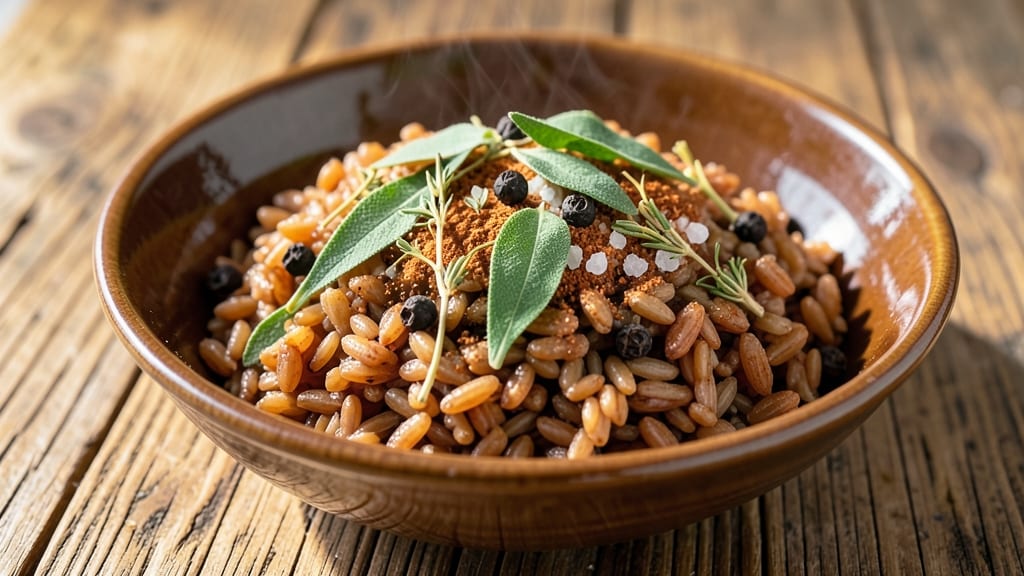
Creating a wild rice seasoning that enhances its natural earthiness and nutty depth is a game-changer for any hearty dish. This earthy nutmeg and sage blend transforms simple wild rice into a flavorful centerpiece for soups, stuffings, and side dishes.
The combination of warm spices and aromatic herbs elevates the rice's natural profile without overpowering it.
This seasoning mix is designed to be simple yet impactful, requiring just five ingredients that work together to create a balanced, savory flavor. The nutmeg adds warmth, while the sage brings an earthy depth that complements the rice's inherent nuttiness.
It’s perfect for anyone looking to add professional-level flavor to their meals without the fuss of complex recipes.
The result is a versatile seasoning that can be used in countless ways—sprinkled over cooked rice, mixed into stuffing, or even dusted on roasted vegetables. With just a few tablespoons, you’ll transform a basic side dish into something restaurant-worthy.
The blend keeps well in an airtight container, making it a pantry staple for quick, flavorful meals.
For those who love experimenting, variations like adding a pinch of smoked paprika or a dash of black pepper can introduce new layers of flavor. Whether you use it as-is or customize it to your taste, this seasoning will become a go-to for enhancing the dishes you love most.
Ingredients for wild rice seasoning
Five spices transform wild rice into a restaurant-worthy side dish—earthy, warm, and full of depth.
| Ingredient | Amount | Notes |
|---|---|---|
| Ground Nutmeg 🌿 | 1 ½ tbsp | Freshly grated for warmth |
| Fresh Sage Leaves 🍃 | 2 tbsp | Finely chopped, stems removed |
| Dried Thyme 🌿 | 1 ½ tsp | French preferred for depth |
| Ground Black Pepper 🌶️ | 1 tsp | Freshly cracked for sharpness |
| Diamond Crystal Kosher Salt 🧂 | 1 tsp | Fine grain for even distribution |
| Smoked Paprika 🌶️ | 1 tsp | For subtle smokiness (optional) |
| Onion Powder 🧅 | ½ tsp | Adds sweet undertone |
The nutmeg is your secret weapon here—freshly grated makes all the difference. Skip the pre-ground stuff; it tastes like sawdust. Whole Foods or Penzeys carry high-quality nutmeg, but even the regular grocery store can work if it's labeled 'pure'. Fresh sage leaves should be vibrant green with a fragrant aroma—avoid wilted bundles. For dried thyme, French thyme has a more complex flavor than regular, but either works. The smoked paprika is optional but adds that subtle campfire note that takes this from good to 'wow'—Trader Joe's has a great affordable option.
No fresh sage? Dried sage at half the amount works in a pinch, but it won't have that same bright aroma. Out of nutmeg? Cinnamon or allspice at one-third the amount can mimic the warmth, though it won't be identical. The onion powder is non-negotiable for depth—substitute with 1/4 tsp onion salt if needed, but adjust the Diamond Crystal kosher salt accordingly. For a spicier kick, add a pinch of cayenne, but start small—you can always add more. This blend is designed to complement wild rice's natural nuttiness, so don't overpower it with too many competing flavors.
Store this in an airtight glass jar in a cool, dark place—it'll keep its potency for 6-12 months. I like to make a double batch and keep one jar in my pantry for quick meals and another in my freezer for those 'I forgot to buy seasoning' moments. A generous sprinkle over cooked wild rice is perfect, but it also works magic in stuffing, roasted vegetables, or even as a finishing touch on soups. The flavors meld beautifully with the rice's earthiness, making every bite taste like you put in real effort—even if you just stirred it together.
Why You'll Love This Recipe
- Pantry Magic Ready: I keep this mix in a jar by my stove—no fancy prep, just measure and shake. The nutmeg and sage hit different, but I swear, it’s the kind of blend that makes even plain rice feel like a restaurant dish.
- Earthy Warmth Bomb: That first whiff of toasted thyme and nutmeg? It’s like autumn in a pinch. The black pepper cuts through the richness, and the salt ties it all together—simple, but so satisfying.
- Game for Any Meal: Slap it on roasted veggies, toss it into soups, or even sprinkle it over grilled chicken. Honestly, I’ve used it on everything from wild rice pilafs to mashed potatoes, and it never lets me down.
- Lasts Forever, Costs Nothing: A little goes a long way, and I make this in bulk—it’s my secret for stretching ingredients without sacrificing flavor. Plus, dried thyme and salt? Cheap as dirt, but it makes every bite taste like I actually cooked.
Step-by-step instructions for wild rice seasoning
This earthy blend transforms simple wild rice into a deeply aromatic centerpiece for your table.
Prepare the Fresh Herbs
Begin by washing the 2 tablespoons fresh sage leaves thoroughly and patting them completely dry with paper towels. Remove any tough stems by pinching them between your fingers—this ensures only the delicate leaves remain. Finely chop the leaves using a sharp chef's knife, aiming for pieces no larger than ⅛ inch in diameter. The fresh sage will contribute an aromatic brightness that dried versions can't match, so don't skip this step.
While you work, take a moment to appreciate the color transformation—the vibrant green leaves will darken slightly as they release their essential oils. This visual cue tells you the herbs are ready to blend. Set the chopped sage aside in a small bowl until you're ready to combine all ingredients.
Toast the Ground Spices
In a small dry skillet over medium heat, lightly toast the 1.5 teaspoons dried thyme for 30 seconds until you can smell its warm, piney aroma. This quick toasting enhances the thyme's natural oils, making them more potent in the final blend. Stir constantly to prevent burning—you're looking for a gentle color deepening rather than darkening.
Remove the skillet from heat and let the thyme cool for 1 minute. While it cools, transfer the 1.5 tablespoons ground nutmeg and 0.5 teaspoon onion powder to the same skillet. Gently stir these together for 10 seconds to begin blending their earthy profiles. The nutmeg's warm, slightly sweet notes will pair beautifully with the sage's herbal brightness, while the onion powder adds subtle depth.
Combine All Ingredients
In a medium mixing bowl, combine the toasted thyme with the remaining dry ingredients: 1 teaspoon ground black pepper, 1 teaspoon smoked paprika, and 1 teaspoon diamond crystal kosher salt. Use a small whisk or fork to break up any clumps in the nutmeg and onion powder, ensuring even distribution. This is where the magic happens—the spices begin to mingle their flavors at a molecular level.
Add the chopped fresh sage leaves and the toasted thyme mixture to the bowl. Using clean hands, gently rub the ingredients together in a circular motion for 30 seconds. This manual blending helps distribute the fresh herbs' oils throughout the dry spices. The mixture should look speckled with tiny green flecks from the sage, indicating proper integration.
Store for Maximum Flavor Development
Transfer the completed seasoning blend to an airtight glass jar or container. Seal tightly and store in a cool, dark place—like your pantry—for up to 3 months. The flavors will continue to meld and deepen during storage, making the seasoning even more complex with time. For best results, use within 2 weeks to capture the fresh sage's peak aroma.
Before each use, give the jar a gentle shake to redistribute any settled ingredients. This simple step ensures every pinch delivers consistent flavor. The seasoning works beautifully on wild rice, roasted vegetables, or even as a finishing touch for grilled meats—its earthy-sweet profile elevates any dish it touches.
Pro Tips For Making Wild Rice Seasoning
- Toast the Thyme First: I learned this the hard way—raw dried thyme tastes like dust. Lightly toast the dried thyme in a dry pan over medium heat for 30 seconds until fragrant, then let it cool before grinding or mixing. The aroma jumps from "meh" to "wow" instantly.
- Chop Sage Fine: Fresh sage leaves straight from the bunch are too bold. Roughly chop them into tiny pieces—think rice grain size—so they distribute evenly and don’t clump. Skip this, and you’ll end up with random leafy surprises in your seasoning.
- Salt in Stages: Don’t dump all the kosher salt at once. Start with half the amount, taste the rice after cooking, then adjust—Diamond Crystal is coarser and packs more punch than table salt. Over-salting is easy when you’re eager, but you can’t fix it later.
- Nutmeg Last: Add the ground nutmeg after mixing the other ingredients. It’s potent, and too much can make the whole batch taste like holiday pie. A pinch (about ¼ teaspoon) is enough—start small, then add more if needed.
Best sauces and condiments for these flavors
Classic Gravy Pairing
This wild rice seasoning shines when paired with a rich, earthy gravy made from the same pan drippings as your roasted chicken or turkey. After browning your protein, deglaze the pan with ½ cup dry white wine and 1 cup chicken stock, then simmer until thickened.
Stir in 1 tablespoon of your seasoning blend just before serving—it deepens the gravy’s savory notes while keeping the rice’s natural nuttiness intact. For extra depth, whisk in 1 teaspoon Dijon mustard to balance the warmth. 🍲
Herbed Butter Finish
Elevate your wild rice by mixing ¼ cup softened butter with 1 teaspoon of the seasoning blend and a pinch of freshly cracked black pepper. Dollop this onto individual servings of rice just before eating—the butter melts into the hot grains, creating a luxurious, aromatic finish.
This works especially well for special occasions or when serving guests. For a vegan option, use vegetable shortening or olive oil instead of butter. ✨
Stuffing Enhancer
Transform your holiday stuffing by folding 1 tablespoon of the seasoning blend into each pound of cooked stuffing mix. The nutmeg and sage complement the bread’s toasted notes while adding a sophisticated warmth.
For extra moisture, sprinkle a little of the blend into the pan drippings before pouring over the stuffing. This trick makes store-bought stuffing taste homemade in minutes. 🍞
Roasted Vegetable Drizzle
Toss roasted vegetables like Brussels sprouts, carrots, or sweet potatoes with 1 teaspoon olive oil and ½ teaspoon of the seasoning blend before roasting. The spices caramelize beautifully, creating a crispy, flavorful crust.
For a finishing touch, drizzle with a little honey to balance the earthy flavors. This works especially well for autumnal dishes or as a side for grilled meats. 🌱
Soup Flavor Booster
Stir 1 teaspoon of the seasoning blend into creamy soups like wild rice soup or butternut squash soup during the last 5 minutes of cooking. The nutmeg and sage add warmth and complexity without overpowering the broth.
For extra richness, whisk in a splash of heavy cream or coconut milk at the end. This is a game-changer for chilly evenings. 🥄
Garnish for Grilled Meats
Sprinkle the seasoning blend over grilled chicken, turkey, or even steak in the last 2 minutes of cooking. The spices caramelize slightly, creating a fragrant crust. Pair with a squeeze of lemon or a drizzle of balsamic glaze to brighten the dish.
This technique works especially well for outdoor cookouts or weeknight dinners. 🔥
Nutrition facts
Frequently asked questions
Can I substitute dried sage for fresh in this wild rice seasoning?
Yes, but use half the amount—1 tablespoon dried sage instead of 2 tablespoons fresh. Dried sage has more concentrated flavor, so less goes a long way. For best results, toast the dried sage in a dry skillet for 1 minute to enhance its aroma before mixing.
How much seasoning should I use for a standard 1-pound bag of wild rice?
Start with 1 teaspoon of the seasoning blend and adjust to taste. Sprinkle it over the rice while still hot (right after cooking) so the spices can infuse properly. For extra flavor, mix ½ teaspoon into the cooking liquid before adding the rice.
Will this seasoning work with brown rice or other grains?
The nutmeg and sage blend complements earthy grains like brown rice, quinoa, or farro beautifully. Use the same amount (1 teaspoon per pound) and adjust based on your grain's natural flavor profile. Quinoa, in particular, benefits from the smokiness of the paprika.
Can I make this seasoning without nutmeg?
Yes, replace the 1.5 tablespoons nutmeg with ½ teaspoon cinnamon or ½ teaspoon allspice for warmth. The sage and thyme will still carry the earthy profile, though the blend will lose some of its signature depth. For a smoky twist, add an extra ½ teaspoon smoked paprika.
How do I prevent the seasoning from clumping in storage?
Store it in an airtight glass jar with a dry silica gel packet or a paper towel to absorb moisture. Shake the jar gently before each use to redistribute ingredients. Avoid plastic containers—they can trap humidity and cause clumping. For long-term storage, freeze the seasoning in ice cube trays and transfer cubes to a bag.