
Main Courses
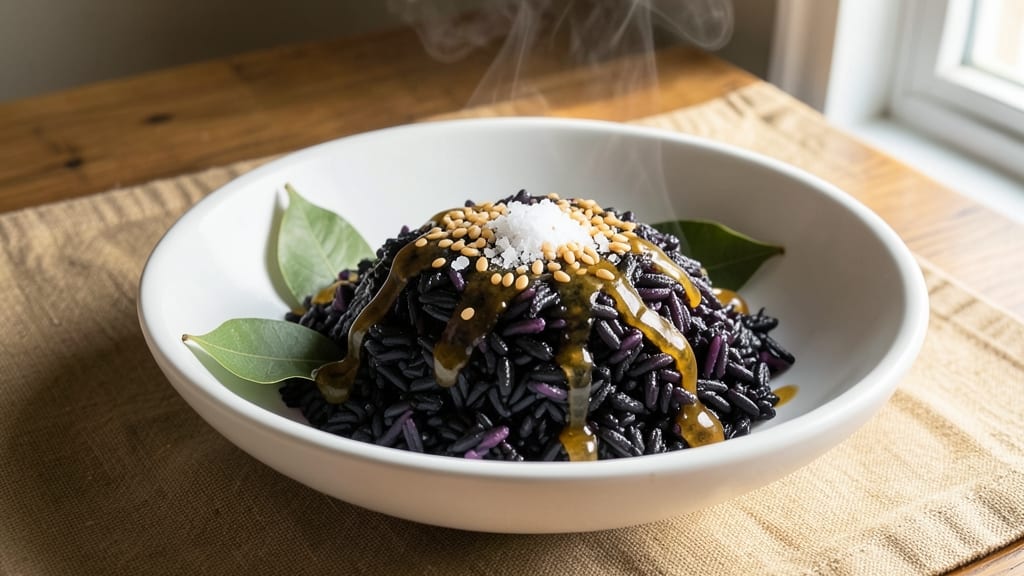
This black rice recipe rice cooker transforms forbidden rice into nutty, earthy grains with minimal effort—perfect for weeknight dinners or special occasions. The secret lies in proper soaking and gentle steaming, which unlocks the rice's deep flavor and ideal texture.
Unlike white rice, black rice benefits from a quick rinse and 30-minute soak before cooking, ensuring even absorption and a satisfying bite.
The rice cooker method simplifies the process while preserving the rice's natural richness. With just black rice, water, and a pinch of salt, you'll achieve grains that are tender yet firm, with a slightly chewy texture and an aroma that fills your kitchen.
This approach works for both traditional savory dishes and modern sweet adaptations, like dessert rice puddings.
What you’ll end up with is a pot of perfectly cooked black rice—dark, glossy, and packed with nutrients like anthocyanins. Serve it as a base for stir-fries, pair it with miso soup, or enjoy it plain as a nutritious side.
The rice cooker handles the work, so you can focus on preparing complementary dishes.
For extra flavor, consider toasting the rice in the pot before adding water or infusing it with herbs like bay leaves. This technique elevates the dish without complicating the process. Let’s get started on creating restaurant-quality black rice at home!
Ingredients for black rice recipe rice cooker
Four simple ingredients transform forbidden black rice into restaurant-quality grains with nutty depth.
| Ingredient | Amount | Notes |
|---|---|---|
| Black Rice (Forbidden Rice) 🌾 | 1 cup | Uncooked, rinsed thoroughly |
| Water 💧 | 1 ½ cups | Room temperature preferred |
| Bay Leaves 🍃 | 2 whole | Dried or fresh for aroma |
| Sea Salt 🧂 | ¼ tsp | Fine grain preferred |
| Sesame Oil 🫒 | 1 tsp | Toasted, for finishing |
| Toasted Sesame Seeds 🌰 | 1 tbsp | For garnish and crunch |
| Green Onion 🧅 | 2 whole | Sliced, for garnish |
| Extra-Virgin Olive Oil 🫒 | 1 tsp | For toasting rice |
The black rice is the star—forbidden rice from Asian markets or specialty stores delivers the richest flavor. Look for whole grains, not pre-cooked or pre-packaged. If your rice has a dark purple tint, it's fresh. The bay leaves add subtle aroma without overpowering; Trader Joe's sells affordable dried ones. For extra depth, toast the rice in the rice cooker with 1 tsp olive oil for 2 minutes before adding water—this unlocks even more nutty flavor. I always buy my sesame oil in small bottles from Whole Foods to preserve freshness.
No bay leaves? Dried thyme at half the amount works in a pinch. Running low on sesame oil? Toasted peanut oil gives a similar nutty finish, though the flavor shifts slightly. The green onions can be swapped for chopped scallions or chives if you prefer milder greens. For a sweet variation, add 1 tsp vanilla extract to the water before cooking—perfect for dessert rice puddings. If your rice cooker has a 'steam' function, use it for an even more tender texture, especially if you're making a larger batch.
Store cooked rice in an airtight container for 4-5 days in the fridge, or freeze portions for up to 3 months. Reheat with a splash of water in the rice cooker for best texture. The sesame oil and seeds are best added fresh when serving, but you can store them separately in the fridge for up to 2 weeks. For meal prep, divide into containers with a drizzle of sesame oil—it keeps the rice from drying out. The rice actually tastes better the next day as flavors meld.
Why You'll Love This Recipe
- Five-Ingredient Magic: I swear, this is the kind of recipe where you almost feel guilty for how simple it is—just rice, water, bay leaves, salt, and a drizzle of sesame oil. The rice cooker does all the heavy lifting, and honestly? That’s my kind of cooking night.
- Earthy, Nutty Bliss: The black rice alone is worth the hype—it’s chewy, slightly sweet, and packed with that deep, molasses-like flavor. Add a single bay leaf while it cooks, and suddenly you’ve got this subtle, aromatic depth that makes it taste like a restaurant dish, not just dinner.
- Meal Prep MVP: Between us, I make a big batch on Sundays and eat it all week. It reheats beautifully, keeps for days in the fridge, and somehow still tastes fresh. My lunchbox has never been happier—especially when I sneak in extra sesame oil for that little flavor boost.
- Budget Luxury: Black rice might sound fancy, but it’s actually more affordable than white rice in bulk, and you’re using half the ingredients. A few bay leaves and a splash of sesame oil turn something basic into something that feels special—without breaking the bank or my willpower.
Step-by-step instructions for nutty earthy black rice in a rice cooker
Here's how to transform forbidden rice into perfectly tender, aromatic grains every time.
Prepare the Black Rice for Cooking
Begin by rinsing the 1 cup of black rice (forbidden rice) thoroughly under cold water in a fine-mesh strainer until the water runs completely clear. This step removes excess starch that can make the rice gummy. I like to do this over the sink—it's easier to see when the water runs clear with this dark rice.
Once rinsed, transfer the rice to your rice cooker pot. Add the 2 whole bay leaves and 1.5 cups of room-temperature water. The bay leaves will infuse the rice with subtle aromatic depth during cooking. Give everything a gentle stir to distribute the bay leaves evenly.
Toast the Rice for Enhanced Flavor
Add the 1 teaspoon of extra-virgin olive oil to the rice cooker pot. Set your rice cooker to the "sauté" or "toast" function if available, or simply heat it on the stovetop over medium-low heat. Stir constantly for 2-3 minutes until you notice the rice begins to sizzle gently and releases a nutty aroma.
This toasting step develops deeper flavors in the rice. You're looking for the rice to take on a slightly glossy appearance and the oil to be absorbed. Be careful not to let it brown—just until the rice looks slightly translucent at the edges. Turn off the heat and let it sit for 1 minute before adding the 0.25 teaspoon sea salt.
Cook to Perfect Tenderness
Return the pot to the rice cooker base and start the cooking cycle. The rice cooker will automatically adjust to the perfect temperature for this delicate grain. Cook until the rice cooker indicates "done" or until the water has been completely absorbed and the grains are tender but still hold their shape.
Black rice typically takes about 30-35 minutes to cook properly. If you're using a standard rice cooker without a specific time setting, check the rice at the 25-minute mark. It's done when the grains are tender but still have a slight bite to them—they'll finish cooking as they rest. Don't overcook or the rice will become mushy.
Finish with Aromatic Oils
Once cooking is complete, let the rice sit covered for 5 minutes. This resting period allows the steam to redistribute and the grains to plump up. After resting, gently fluff the rice with a fork and stir in the 1 teaspoon of toasted sesame oil. This adds a nutty depth that complements the earthy black rice perfectly.
Finally, garnish with the 1 tablespoon of toasted sesame seeds and the 2 whole green onions, sliced into thin rounds. The sesame seeds add crunch and visual appeal, while the green onions provide a fresh contrast to the rich, nutty rice. Serve immediately while still warm for the best texture and flavor experience.
Pro Tips For Making Black Rice Recipe Rice Cooker
- SOAK THE RICE FIRST: I learned this the hard way—skipping the soak leaves you with chewy, uneven grains. Rinse the black rice twice, then soak in cold water for at least 2 hours (or overnight if you’re patient). The longer it soaks, the fluffier the final result, and it cuts cooking time by 10-15 minutes. Trust me, your rice cooker will thank you.
- USE LESS WATER: Black rice absorbs water like a sponge, but most recipes overestimate. Stick to a 1:1.5 rice-to-water ratio (for 1 cup rice, use 1.5 cups water). If you’re nervous, check after 15 minutes—you can always add a splash more. Overdoing it turns your forbidden rice into porridge.
- CRUSH THE BAY LEAVES: Whole bay leaves just float and underperform. Lightly crush them with the flat side of a knife before adding to the rice cooker—this releases their flavor into the water. Remove them after cooking (they’re bitter if oversteeped), but the aroma? Worth the 30-second effort.
- FINISH WITH SESAME OIL: Drizzle the sesame oil in after cooking, then gently fold it in with a spoon. Adding it earlier burns off the nutty aroma, and you’ll end up with a bland dish. A single teaspoon is enough—this isn’t a stir-fry, it’s a subtle upgrade. Do this while the rice is still hot for the best infusion.
Essential equipment for great black rice recipe rice cooker
Rice Cooker Types
Not all rice cookers handle black rice equally. I recommend a programmable model like the Zojirushi NS-LAC10 or Cuisinart CRC-100AMY—both have precise temperature control for delicate grains. Avoid basic models with single settings, as they often overcook black rice. 🌡️
For larger batches, consider a multi-cooker like the Instant Pot Duo Crisp—its steam function mimics traditional Asian cooking methods. If you're on a budget, the Hamilton Beach 46238 works well for basic recipes, though you'll need to monitor it closely.
Essential Accessories
A fine-mesh strainer is non-negotiable for rinsing black rice—it removes starch better than a colander. I use the OXO Good Grips for its durability. For toasting, a wooden rice paddle distributes heat evenly without scratching the pot.
Optional but game-changing: a digital kitchen scale (like the OXO Good Grips) for precise measurements, especially when scaling recipes up. Store your rice in amber glass containers to preserve its rich color and prevent oxidation.
Temperature Control
Black rice cooks best at 212°F (100°C)—standard boiling—but some rice cookers struggle to maintain this. If your model runs hot, reduce water by ¼ cup to prevent mushy grains. I test doneness by inserting a chopstick—it should glide through with slight resistance.
For extra insurance, use the steam function on your rice cooker after initial cooking. This adds 5-10 minutes of gentle heat, perfect for finishing the texture without overcooking. 💫
Maintenance Tips
Clean your rice cooker immediately after use—black rice stains easily. I soak the pot in hot water with 1 tbsp baking soda for 10 minutes before scrubbing. Never use metal utensils that can scratch the non-stick coating.
Replace your rice cooker's inner pot every 2-3 years—degraded non-stick surfaces can't handle black rice's dense starch. Store your cooker with the pot removed to prevent warping from residual moisture.
Nutrition facts
Frequently asked questions
Why does black rice need soaking before cooking?
Soaking for 30 minutes helps remove excess tannins that can make the rice bitter. It also kickstarts hydration, ensuring even cooking in the rice cooker. Skip this step, and you risk uneven texture or undercooked grains—especially critical for delicate forbidden rice.
Can I substitute white rice for black rice in this recipe?
While possible, you'll lose the unique nutty, earthy flavor and vibrant color. Black rice has a firmer texture and higher nutrient content (like anthocyanins). For a similar texture, try brown rice, but expect milder flavor and shorter cooking time (20 minutes vs. 30-35 minutes).
What if my rice cooker doesn't have a toast function?
No problem! Heat the rice cooker on the stovetop over medium-low heat for 2-3 minutes with olive oil, stirring constantly. Return it to the cooker after toasting. If your model lacks precise control, reduce water by ¼ cup to prevent overcooking—black rice releases more starch than white rice.
How do I fix mushy black rice?
Mushy rice usually means overcooking or too much water. Next time, use 1.25 cups water per 1 cup rice and check at 25 minutes. For instant fixes, spread the rice on a baking sheet and bake at 300°F (150°C) for 10-15 minutes to dry it out. Stir in 1 tsp sesame oil afterward to restore flavor.
Can I make this recipe without bay leaves?
Swap for ½ tsp dried thyme or 1 cinnamon stick for warmth. For a neutral flavor, omit entirely—just ensure you don't overcook. The key is the toasting step with olive oil, which develops flavor even without aromatics. Garnish with extra sesame seeds to compensate for lost depth.