
Main Courses
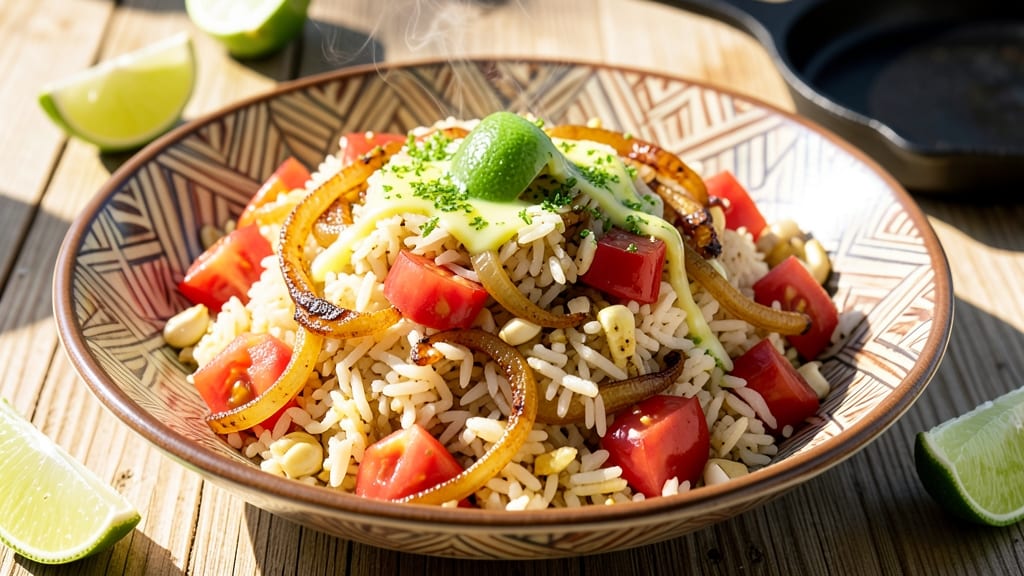
This Bolivian rice recipe delivers bold, aromatic flavors in every bite—where toasted cumin, bright limón, and tender rice create a dish that feels like a warm embrace. 💛 The secret lies in slow-cooking the rice with tomatoes and onions until it develops deep, savory notes, then finishing with a zesty squeeze of limón that cuts through the richness.
Perfect for serving alongside grilled meats or as a standalone vegetarian meal, this one-pot wonder transforms simple ingredients into something extraordinary.
What makes this recipe special is its balance of earthy spices and citrusy brightness, a hallmark of Bolivian cuisine. The rice absorbs all the flavors from the aromatic base, resulting in grains that are tender yet distinct.
Whether you're cooking for a family gathering or a quiet weeknight dinner, this dish delivers restaurant-quality results with minimal effort. The limón twist at the end elevates the dish from ordinary to unforgettable, making it a staple in any kitchen.
Ingredients for bolivian rice
Toasted cumin, bright citrus, and tender rice create a dish that feels like a warm embrace.
| Ingredient | Amount | Notes |
|---|---|---|
| Long-Grain White Rice 🍚 | 1 ½ cups | Uncooked, rinsed thoroughly |
| Ground Cumin 🌿 | 1 ½ tbsp | Toasted for deeper flavor |
| Limón (Key Lime) Juice 🍋 | ½ cup | Freshly squeezed, strained |
| Yellow Onion 🧅 | 1 whole | Diced into small pieces |
| Ripe Tomatoes 🍅 | 2 whole | Roma or vine-ripened, diced |
| Garlic Cloves 🧄 | 4 cloves | Minced finely |
| Olive Oil 🫒 | ¼ cup | Extra-virgin preferred |
| Chicken Broth 💧 | 2 cups | Low-sodium preferred |
| Bay Leaves 🌿 | 2 whole | Fresh if available |
| Salt 🧂 | 1 ½ tsp | Kosher or sea salt |
| Black Pepper 🌶️ | ½ tsp | Freshly ground preferred |
| Fresh Cilantro 🌿 | ¼ cup | Chopped, for garnish |
| Limón (Key Lime) Zest 🍋 | 1 tbsp | Fine grated, for finishing |
The cumin is the soul of this dish—toast it in olive oil for 30 seconds until fragrant before adding other ingredients. Penzeys or bulk bins carry the best quality, but the regular grocery store stuff works if it's labeled 'ground' and not ancient. For limón, Mexican markets or specialty stores often carry fresh key limes, but regular limes work in a pinch (just add a pinch more zest). The tomatoes should be ripe but firm—Roma tomatoes are ideal for their meaty texture, but vine-ripened grocery store tomatoes work too if you can't find them.
No fresh cilantro? Dried cilantro or parsley at half the amount works in a bind. Short on chicken broth? Vegetable broth or even water with a bouillon cube keeps the dish flavorful. The bay leaves add depth—remove them before serving so they don't overpower the dish. For extra richness, add a splash of heavy cream or coconut milk at the end, but traditional recipes keep it simple with just the citrus twist. The rice should be tender but still have a slight bite—don't overcook it or it'll turn mushy.
This rice reheats beautifully—add a splash of water or broth if it's dried out. Keeps for 4-5 days in the fridge, freezes for 3 months. I always make a double batch because it's perfect for meal prep—portion into containers so you can grab and reheat for quick lunches. The flavors actually improve the next day as everything melds together, making it even more comforting.
Why You'll Love This Recipe
- One-Pot Magic: I swear by this recipe because it’s literally one pot. No rice cooker, no separate pans—just toss the rice, onions, and tomatoes in a deep skillet, add a splash of lime juice and a pinch of cumin, and let it simmer. By the time the rice is tender, the whole kitchen smells like a Bolivian street market.
- Zesty Brightness: That lime juice isn’t just garnish—it’s the star. The acid cuts through the richness of the tomatoes and cumin, leaving you with a dish that’s fresh, tangy, and ridiculously good. Honestly, I’ve tried skipping it, and I always regret it.
- Lunchbox Hero: This rice keeps like a champ. Pack it cold for work or school lunches—it holds up better than store-bought options, and the lime keeps it from getting soggy. My kids actually take their lunches when this is in there.
- Pantry Staple Power: You’re using ingredients you already own: rice, onions, tomatoes, and spices you probably have. Between us, this is how I feed a family of four for under $5. Plus, the leftovers reheat like a dream—just add a splash of water and a squeeze of lime.
Step-by-step instructions for Bolivian cumin-limón rice
Master this one-pot technique for fragrant, citrus-infused rice with perfect texture every time.
🍳 Step 1: Toast the Cumin and Sauté the Aromatics
Heat the 0.25 cup olive oil in a heavy-bottomed pot over medium heat. Add the 1.5 tbsp ground cumin and toast for 30 seconds until fragrant—you'll smell that warm, earthy aroma that defines Bolivian cuisine. This step develops the cumin's depth before it cooks with the rice.
Add the diced yellow onion and cook for 5-6 minutes until softened and translucent. Stir in the minced garlic cloves and cook for another 30 seconds until golden. Here's the thing—don't let the garlic burn. It should smell sweet and nutty, not bitter. If it starts to darken too quickly, reduce the heat slightly and keep stirring.
🍳 Step 2: Build the Flavor Base
Add the diced ripe tomatoes to the pot and cook for 4-5 minutes until they break down into a thick paste. This releases their natural juices and concentrates their sweetness. Stir occasionally to prevent sticking—this is where the magic happens as the tomatoes meld with the cumin and aromatics.
Pour in the 2 cups chicken broth and bring to a gentle simmer. Add the 2 whole bay leaves, 1.5 tsp salt, and 0.5 tsp black pepper. Let this mixture bubble gently for 3 minutes until the flavors meld together. You're creating a flavorful broth that will infuse the rice perfectly.
👨🍳 Step 3: Cook the Rice to Perfect Texture
Rinse the 1.5 cups long-grain white rice thoroughly under cold water until the water runs clear. This removes excess starch that would make the rice gummy. Add the rice to the pot and stir gently to distribute it evenly through the broth. The rice should be fully submerged—if not, add 1-2 tablespoons water.
Bring the mixture to a boil, then immediately reduce heat to low-medium. Cover the pot with a tight-fitting lid and cook for 15 minutes without disturbing it. This gentle heat allows the rice to absorb the broth evenly while developing that characteristic Bolivian texture—separate grains with just enough bite.
🥘 Step 4: Finish with Citrus Brightness
After 15 minutes, remove the pot from heat and let it sit covered for 5 minutes. This resting period allows the rice to finish cooking and absorb any remaining liquid. Remove and discard the bay leaves—they've done their job infusing flavor.
Stir in the 0.5 cup limón (key lime) juice and 1 tbsp limón (key lime) zest. The citrus acid brightens all the earthy flavors while adding that signature Bolivian tang. If the rice seems dry, add 1-2 tablespoons water and stir gently. The final texture should be moist but not soupy—each grain should be distinct and tender.
🍽️ Step 5: Garnish and Serve Immediately
Transfer the rice to a serving dish and fluff gently with a fork. Sprinkle with the 0.25 cup chopped fresh cilantro for freshness and color. Serve immediately while still warm—this dish tastes best straight from the pot when the citrus notes are most vibrant.
Bolivian rice should have distinct grains with a slight chew, infused with cumin's warmth and lime's brightness. The aroma alone should make your kitchen smell like a Bolivian street market. Pair with grilled meats or use as a base for hearty stews—this versatile rice is the perfect foundation for any meal.
Pro Tips For Making Bolivian Rice
- Sauté Onions Until Golden: I learned this the hard way—stop when the onions are deep amber, not brown. Overcooking turns them bitter, and Bolivian rice relies on that sweet, caramelized base to balance the lime’s sharpness. (Yes, even if you’re impatient like me.)
- Toast the Cumin Dry: Bloom the ground cumin in oil for 30 seconds before adding onions. This wakes up its aroma and prevents it from turning bitter later—like a little insurance policy for that earthy depth. (Skip this, and the rice tastes flat.)
- Use Ripe Tomatoes Only: Unripe tomatoes release water instead of flavor, drowning the rice in a sad, watery sauce. Look for tomatoes that yield slightly to pressure—no need to peel, just chop and let them break down naturally. (Your future self will thank you.)
- Stir Once After Boiling: After adding rice and liquid, bring to a boil, then stir just once to distribute. Let it simmer uncovered—this prevents gummy rice and lets the lime juice mingle properly. (I know, I know, but trust the process.)
Troubleshooting this recipe
Rice Too Dry?
If your rice ends up dry and crunchy, it likely absorbed too much liquid. Next time, reduce the heat to low-medium immediately after boiling and keep the lid on snugly. I also recommend stirring the rice gently after 10 minutes to redistribute any settled broth at the bottom.
For extra moisture, add 2-3 tablespoons water or broth during the last 5 minutes of cooking. 💧
Mushy Texture?
Mushy rice usually means overcooking or insufficient stirring. Always rinse your rice thoroughly before cooking to remove excess starch. If using a heavy pot, reduce heat to low after the initial boil and avoid peeking under the lid—each time you lift it, steam escapes and cooking time increases.
For stubborn cases, spread the rice on a tray and bake at 350°F for 10 minutes to dry it out. ✨
Weak Cumin Flavor
The cumin needs proper toasting to develop its depth. Toast your 1.5 tbsp ground cumin in oil for 30-45 seconds until fragrant—you should smell that warm, earthy aroma. If your cumin tastes bland, try toasting it in a dry pan first before adding oil.
For extra punch, add ½ tsp cumin seeds to the pot during the final 5 minutes of cooking. 🌿
Citrus Overpowering
Too much lime juice can make the dish taste sour. Start with ¼ cup juice and adjust to taste—you can always add more, but you can't remove it. Balance the acidity by adding ½ tsp sugar or a pinch of salt.
For a smoother finish, strain the lime juice through a fine-mesh sieve to remove pulp. 🍋
Broth Too Salty
If your broth tastes too salty, add 1-2 tablespoons cold water or broth and stir. The diluted liquid will help balance the saltiness. For future batches, reduce the salt to 1 tsp and taste as you go.
If using store-bought broth, opt for low-sodium varieties to avoid this issue entirely. 🧂
Burnt Garlic Smell
Burnt garlic ruins the dish's delicate balance. Keep heat at medium when cooking garlic and stir constantly. If it starts to darken, remove the pot from heat for 30 seconds to cool slightly before continuing. For extra insurance, add garlic 30 seconds after onions when they're already softened. 🧄
Nutrition facts
Frequently asked questions
What makes Bolivian rice different from regular rice dishes?
The signature difference lies in the toasted cumin and limón (key lime) twist that brightens the earthy flavors. Unlike plain rice, Bolivian rice builds a rich, aromatic base with sautéed onions, tomatoes, and garlic before simmering with broth and spices. The citrus finish cuts through the richness for a balanced, vibrant flavor profile that's uniquely Bolivian.
Can I substitute key lime with regular lime?
Yes, but you'll need to adjust the amount. Regular lime has less acidity, so use 0.6 cup juice instead of 0.5 cup and add an extra 1 tsp lime zest to compensate. For best results, strain the juice to remove pulp which can make the rice watery. The flavor won't be identical, but it'll still taste delicious!
How do I serve Bolivian rice in a traditional Bolivian meal?
This rice pairs beautifully with grilled meats like chicken, beef, or pork, or serves as a base for hearty stews. In Bolivia, it's often served with sopa de maní (peanut soup) or locro (corn and potato stew). For a complete meal, add a side of fried plantains or a fresh salad with avocado and tomatoes.
Can I make this recipe vegetarian?
Simply replace the chicken broth with vegetable broth and add extra flavor with 1 tsp soy sauce or ½ cup diced bell peppers during the sautéing step. The cumin and lime flavors shine even without meat. For extra protein, stir in ½ cup cooked black beans at the end.
Why does the recipe call for rinsing the rice?
Rinsing removes excess starch that would make the rice gummy and clump together. Bolivian rice should have distinct, separate grains with a slight chew. After rinsing, spread the rice on a towel to dry briefly before cooking. This step is crucial for achieving that perfect Bolivian texture—tender but not mushy!