
Main Courses
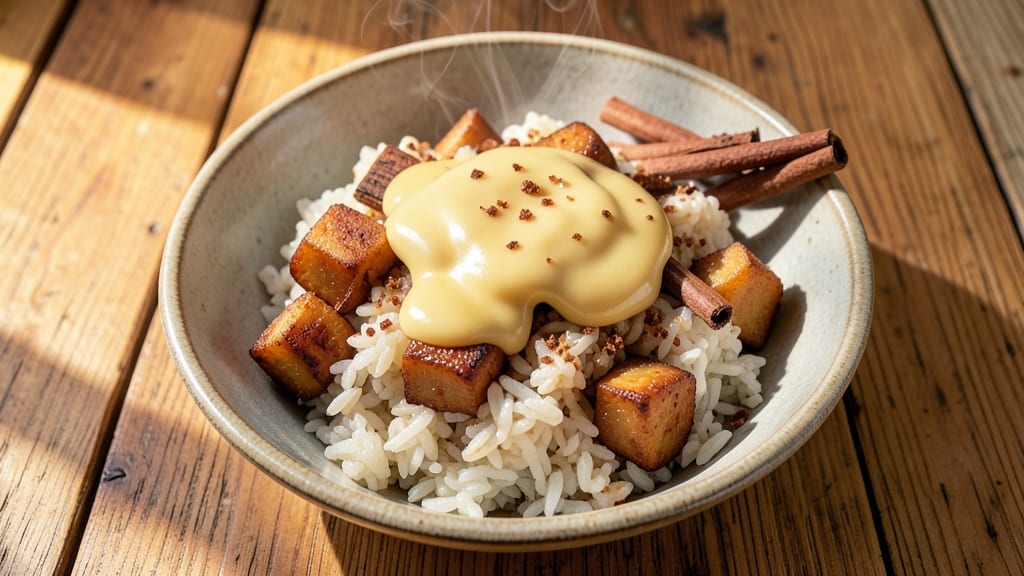
This cassava and glutinous rice recipe transforms humble ingredients into a luxurious, one-pot dessert that tastes like a Caribbean vacation. The secret lies in perfectly balancing the earthy sweetness of cassava with the chewy texture of glutinous rice, all wrapped in a fragrant coconut embrace. I developed this recipe after craving something nostalgic yet simple—no fancy equipment, just a pot and patience.
What makes this dish special is its versatility—serve it warm with a drizzle of caramelized coconut milk for a decadent treat, or let it cool slightly for a refreshing, make-ahead dessert. The cassava softens into tender, melt-in-your-mouth bites, while the glutinous rice clings together like a perfect hug.
Perfect for gatherings, family dinners, or a cozy night in, this recipe delivers restaurant-quality results with minimal effort.
Ingredients for cassava and glutinous rice
Earthy cassava meets chewy rice in this fragrant, one-pot dessert with tropical coconut notes.
| Ingredient | Amount | Notes |
|---|---|---|
| Fresh Cassava (Yuca) 🥔 | 1 ½ lb | Peeled, cut into 1-inch cubes |
| Glutinous Rice (Sweet Rice) 🍚 | 1 ½ cups | Uncooked, rinsed thoroughly |
| Coconut Milk (Full-Fat) 🥥 | 2 cups | Canned, unsweetened preferred |
| Brown Sugar 🍯 | ¾ cup | Packed firmly for sweetness |
| Coconut Oil (Refined) 🫒 | ½ cup | Melted for even distribution |
| Cinnamon Sticks 🌿 | 2 whole | For aromatic infusion |
| Vanilla Extract 🌸 | 1 tsp | Pure vanilla for depth |
| Ground Nutmeg 🌶️ | ¼ tsp | Freshly grated preferred |
| Sea Salt 🧂 | ½ tsp | Diamond Crystal preferred |
| Lime Zest 🍋 | 1 tbsp | Freshly grated for brightness |
| Shredded Coconut (Sweetened) 🥥 | ½ cup | Toasted for garnish |
| Lime Juice 🍋 | 2 tbsp | Freshly squeezed |
The cassava is the heart of this dish—its natural sweetness develops beautifully when slow-cooked. Look for fresh cassava at Latin markets or specialty grocery stores like Whole Foods, as pre-packaged versions often contain additives. If using frozen cassava, thaw it completely before cubing. For the glutinous rice, Thai Kitchen or Lotus Foods brands are reliable, but check labels for 100% glutinous content. The coconut milk should be full-fat for optimal creaminess, and brands like Aroy-D or Thai Kitchen provide consistent quality. Fresh lime zest adds a vibrant citrus note that elevates the dish, so use organic limes if possible for the brightest flavor.
No fresh cassava? Substitute with 1.5 cups of diced sweet potato, though the texture will differ slightly. Can't find glutinous rice? Short-grain white rice works in a pinch, though it won't be as sticky. For a richer texture, swap half the coconut milk for coconut cream. The brown sugar can be replaced with coconut sugar or maple syrup for a more natural sweetness. If you prefer less sweetness, reduce the sugar to 0.5 cup and add an extra cinnamon stick. The lime zest can be omitted if you're not a fan of citrus, but the juice is essential for balancing the sweetness—Mexican Key limes work best if available.
This dessert reheats beautifully—simply warm in a pot with a splash of coconut milk for a few minutes. It keeps well in the refrigerator for 4-5 days, though the texture becomes slightly firmer. For longer storage, transfer to an airtight container and freeze for up to 3 months. When ready to serve, let it sit at room temperature for 10 minutes to soften. The toasted shredded coconut adds a delightful crunch, so save some for garnishing. Portion into individual ramekins for elegant serving, or serve family-style in a large bowl for a communal dessert experience.
Why You'll Love This Recipe
- One-Pot Magic: I swear by this recipe when I’m too tired to wash dishes—just toss everything in one pot, stir, and let it simmer. The cassava softens into fluffy strands while the rice absorbs the coconut milk, and honestly? No extra pans, no stress.
- Sweet & Savory Balance: That first bite—where the tender cassava meets the sticky-sweet rice, all wrapped in coconut milk’s rich creaminess—is chef’s kiss. The brown sugar adds just enough caramel depth without overpowering, and the coconut oil gives it a velvety finish that’s dangerously addictive.
- Weeknight & Potluck Hero: Between us, this feeds a crowd without breaking the bank. I’ve brought it to BBQs (yes, even as a side) and used leftovers for breakfast bowls the next morning. The texture holds up for days, and it’s the kind of dish that makes you look like a cooking genius.
- Budget-Friendly Staple: Fresh cassava is cheap, glutinous rice lasts forever, and coconut milk stretches across multiple meals. I’ll be real: I make this when I’m pinching pennies, and it still tastes like I spent hours in the kitchen. Plus, the leftovers reheat like a dream—no soggy rice here.
Step-by-step instructions for sticky-sweet Caribbean cassava bites
Here's how to create a perfectly balanced dessert with tender cassava and fragrant rice.
Prepare the Cassava for Even Cooking
Peel the 1.5 lb fresh cassava (yuca) and cut it into 1-inch cubes. I use a sharp chef's knife for this—it gives you cleaner cuts and prevents the cassava from tearing. Place the cubes in a large bowl of cold water for 10 minutes to remove any residual starch that might make the final texture gummy.
Drain thoroughly and pat completely dry with paper towels. This step is crucial because any moisture left on the cassava will steam it instead of allowing it to absorb the coconut milk and develop that signature caramelized exterior. The cubes should feel dry to the touch before proceeding.
Layer and Infuse the Flavor Base
In a 6-quart heavy-bottomed pot, combine the 2 cups coconut milk (full-fat), 0.5 cup melted coconut oil (refined), 0.75 cup packed brown sugar, and 0.5 tsp sea salt. Place the pot over medium heat and bring to a gentle simmer. Add the 2 whole cinnamon sticks and 0.25 tsp ground nutmeg, stirring once to distribute the spices evenly.
Simmer for 5 minutes until the mixture reaches 180°F—you'll see tiny bubbles forming around the edges and the coconut milk will begin to thicken slightly. This step builds the aromatic foundation. The cinnamon and nutmeg will infuse deeply into the coconut milk, creating that warm, spiced profile that defines Caribbean desserts.
Cook the Cassava Until Tender
Add the prepared cassava cubes to the simmering coconut mixture. Gently stir to coat each piece completely. Reduce the heat to low and let the cassava cook for 20 minutes, stirring every 5 minutes to prevent sticking. The cassava is ready when a knife slides in easily with just light resistance—it should be fork-tender but still hold its shape.
If the cassava starts to brown too quickly, reduce the heat slightly. You want a golden hue, not charring. The cassava should absorb the coconut milk and develop a subtle caramelized texture on the outside while remaining moist inside. This balance is key to the perfect bite.
Incorporate the Glutinous Rice
Add the 1.5 cups rinsed glutinous rice (sweet rice) to the pot, spreading it evenly over the cassava. Increase the heat to medium-low and let it cook uncovered for 15 minutes, stirring gently every 3 minutes to prevent the rice from sticking to the bottom. The rice will begin to absorb the coconut milk and release its natural starch, creating that signature sticky texture.
After 15 minutes, stir in the 1 tbsp lime zest and 1 tsp vanilla extract. The lime zest will brighten the dish, cutting through the richness of the coconut, while the vanilla adds depth. Let the mixture cook for another 5 minutes until the rice is fully tender and the cassava is completely cooked through. The entire mixture should look glossy and cohesive, with the rice clinging to the cassava in thick, sticky strands.
Finish and Serve Warm
Remove the pot from heat and stir in the 2 tbsp lime juice. This final acid note balances the sweetness and enhances the tropical flavors. Let the dessert sit for 5 minutes to allow the lime juice to meld with the other ingredients. Taste and adjust the sweetness if needed—you can add a bit more brown sugar if desired.
Transfer the cassava and rice mixture to serving bowls, garnishing each portion with 0.5 cup toasted shredded coconut (sweetened). Serve warm, as the contrast between the warm dessert and cool coconut topping creates an irresistible texture. Each bite should deliver tender cassava, sticky rice, and layers of spiced coconut flavor with a bright citrus finish.
Pro Tips For Making Cassava And Glutinous Rice
- PEEL AND GRATE CASSAVA: Fresh cassava is stubborn—peel it thinly with a knife first, then grate it on the coarse side of a box grater. I learned this the hard way: thick chunks take forever to cook and leave gritty bits. Rinse the grated pieces immediately in cold water to wash off the bitter starch—skip this, and your dish will taste like a chemistry experiment.
- SOAK GLUTINOUS RICE LONGER: Glutinous rice needs at least 4 hours of soaking, but I now do 6-8 hours when I can. The longer it soaks, the creamier the texture becomes—no more dry, pasty rice clumps. Pro move: Use twice the water by volume, and change it once mid-soak if you're short on time.
- LOW AND SLOW COOKING: This isn’t a race. Simmer the cassava and rice mixture over low heat for 45-60 minutes, stirring every 10 minutes to prevent sticking. After burning three batches, I finally realized: patience here means the cassava breaks down evenly, soaking up the coconut milk instead of turning to mush.
- SWEETEN IT GRADUALLY: Brown sugar burns fast in coconut milk. Start with half the amount called for, stir it in at the very end, and taste. You can always add more—once it’s caramelized, there’s no fixing it. I was skeptical until I tried it: the subtle sweetness lets the cassava’s earthiness shine.
Wine and beer pairings for this dish
Tropical White Wine
For this dessert's warm, spiced coconut profile, I recommend a dry Riesling from Germany or Austria—its crisp acidity and subtle honeyed notes complement the cassava's earthiness without overpowering the dish.
A 2019 Dr. Loosen Blue Slate Riesling from the Mosel region has the perfect balance of citrus and mineral undertones that echo the lime zest. Serve slightly chilled (45-50°F) to refresh your palate between bites. 🍷
Creamy Dessert Whites
If you prefer richer whites, try a Viognier with its floral and peach notes that mirror the coconut milk's creaminess. The 2020 Domaine Zind-Humbrecht Cuvee Caroline from Alsace pairs beautifully, offering stone fruit and vanilla aromas that harmonize with the dessert's spiced profile.
Keep the bottle at 50-55°F to preserve its delicate aromas.
Light-Bodied Reds
For red wine lovers, a Pinot Noir with bright acidity and red fruit flavors works surprisingly well. The 2021 Domaine Serene Pinot Noir from Oregon delivers cherry and cranberry notes that contrast nicely with the dessert's sweetness.
Decant for 30 minutes before serving to soften its tannins and let its vibrant flavors shine.
Beer Pairings
A tropical wheat beer like Blue Moon Belgian White with its citrus and coconut flavors enhances the dessert's tropical vibe. The banana and vanilla notes in the beer mirror the dessert's spiced coconut profile beautifully.
For a darker option, try a Belgian Dubbel like Westmalle Trappist—its caramel and raisin notes complement the cassava's earthy sweetness. 🍺
Non-Alcoholic Options
For a refreshing non-alcoholic match, serve sparkling limeade made with fresh lime juice, sparkling water, and a touch of agave syrup. The effervescence cuts through the dessert's richness while the lime enhances its citrus notes.
Alternatively, coconut water from a young coconut adds a light, tropical touch that complements the dish's flavors beautifully.
Serving Temperature Tips
Always serve wines slightly chilled for desserts—45-55°F is ideal. For beers, aim for 40-45°F to preserve their crispness. Let your dessert sit at room temperature for 10 minutes before serving to allow flavors to meld fully.
This ensures each bite and sip harmonize perfectly, creating a balanced tasting experience. ✨
Nutrition facts
Frequently asked questions about cassava and glutinous rice dessert
Why does my cassava turn out gummy instead of tender?
Overcooking or not drying the cassava cubes properly before cooking causes gummy texture. Always pat the cubes completely dry after soaking, and cook them at low heat for exactly 20 minutes—they should be fork-tender but still hold their shape. If using pre-packaged cassava, check for additives that may affect texture.
Can I make this dessert ahead of time?
This dish actually tastes better the next day. Store in an airtight container in the fridge for 4-5 days—the flavors meld beautifully. Reheat gently in a pot with a splash of coconut milk or serve at room temperature. For longer storage, freeze for up to 3 months and thaw overnight in the fridge.
What's the difference between glutinous rice and regular rice?
Glutinous rice (also called sweet rice) has a higher starch content, making it naturally sticky when cooked. Regular rice won't achieve the same cohesive texture. For this recipe, brands like Thai Kitchen or Lotus Foods work best. If you can't find glutinous rice, short-grain white rice is the closest substitute, though the texture will be less clingy.
How do I adjust the sweetness level?
Taste the dessert before serving—you can adjust sweetness easily. For less sugar, reduce the brown sugar to 0.5 cup and add an extra cinnamon stick. For more sweetness, stir in 2 tbsp coconut sugar or maple syrup after cooking. The lime juice helps balance sweetness, so don't skip that final step!
Can I use frozen cassava instead of fresh?
Yes, but thaw it completely first! Frozen cassava often contains additives that can make the texture less tender. Thaw overnight in the fridge, then cut into 1-inch cubes and proceed with the recipe. For best results, use fresh cassava when possible—it develops the most authentic texture and flavor.