
Side Dishes
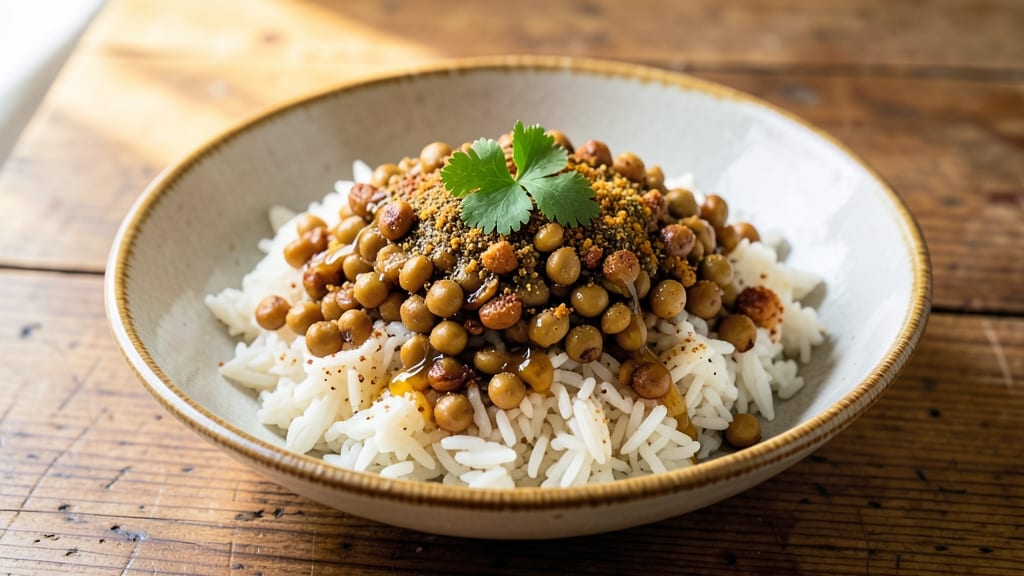
This habachi rice recipe transforms simple grains into a fragrant, cumin-spiced centerpiece that elevates any meal—just like the Japanese iron pot tradition but with a modern twist. The key lies in layering toasted peas and aromatic spices into perfectly cooked rice, creating a dish that’s both comforting and impressive.
I developed this version after realizing how versatile habachi rice could be beyond its traditional grilled presentation, making it perfect for weeknight dinners or special occasions.
The beauty of this recipe is its adaptability—whether you're serving it as a standalone side or pairing it with grilled proteins, the cumin-spiced rice adds depth that turns ordinary meals into something memorable. The peas provide a satisfying crunch, while the spices infuse every grain with warmth.
For those who prefer a lighter touch, swapping beef for mushrooms or tofu keeps the dish equally flavorful and satisfying.
What you’ll end up with is a fragrant, golden-brown rice dish that’s crisp at the edges and tender inside, all while carrying that signature cumin aroma that lingers long after serving. The method is straightforward but yields restaurant-quality results—no fancy equipment needed, just patience and attention to detail.
This is the kind of dish that makes everyone at the table ask for seconds.
Serve it hot from the pot with grilled meats, steamed vegetables, or even a simple miso soup for the full habachi experience. The possibilities are endless, and the leftovers reheat beautifully. Let’s get started on creating this fragrant, flavorful centerpiece that’s sure to become a family favorite.
Ingredients for habachi rice
Cumin-spiced rice with toasted peas—just 13 ingredients for restaurant-quality flavor.
| Ingredient | Amount | Notes |
|---|---|---|
| Long-Grain White Rice 🍚 | 1 ½ cups | Uncooked, jasmine or basmati preferred |
| Split Peas 🌱 | 1 cup | Yellow or green, dried |
| Ground Cumin 🌿 | 1 tbsp | Toasted for deeper aroma |
| Ground Coriander 🍃 | 1 tsp | Freshly ground preferred |
| Turmeric Powder 🌶️ | ½ tsp | For vibrant color |
| Ghee or Butter 🧈 | 2 tbsp | Full-fat for richness |
| Yellow Onion 🧅 | ½ cup | Finely diced, sweet variety |
| Garlic Cloves 🧄 | 3 cloves | Peeled and minced |
| Salt 🧂 | 1 ½ tsp | Diamond Crystal preferred |
| Black Peppercorns 🌶️ | ½ tsp | Freshly cracked |
| Fresh Cilantro 🌿 | ¼ cup | Chopped, for garnish |
| Lemon Juice 🍋 | 1 tbsp | Freshly squeezed |
| Water 💧 | 2 ½ cups | Filtered preferred |
The split peas are the secret here. Trader Joe's sells pre-soaked yellow peas in a bag, which cuts prep time by half, but dried works too—just soak overnight. For the rice, jasmine or basmati stays fluffy longer than long-grain white. The cumin needs to be toasted: dry-toast in a pan for 30 seconds until fragrant, then grind it yourself if you're feeling fancy. Whole Foods has great bulk spices if you want to stock up. The ghee or butter? Full-fat is non-negotiable—it's what makes this dish sing. Skip the salted butter, trust me.
No cumin? Smoked paprika at half the amount gives you some of that smoky depth. Running low on split peas? Chickpeas or lentils work in a pinch, but the texture will be different. The onion can be swapped for shallots if you're feeling fancy, but regular yellow is fine. Fresh cilantro? Dried works at one-third the amount, but it won't have that bright finish. The lemon juice is worth squeezing fresh—bottled just doesn't cut it. For a lighter version, use vegetable broth instead of water, but you'll lose some of that rich, toasty flavor.
This keeps beautifully—3-4 days in the fridge, 3 months frozen. The rice actually tastes better the next day as the flavors meld. Double the batch and freeze half; it's perfect for lazy weeknights. To reheat, add a splash of water and cover tightly. The peas will soften a bit, but the cumin aroma stays strong. Garnish with extra cilantro right before serving—it wilts fast, so don't do it too early.
Why You'll Love This Recipe
- One-Pot Magic: I swear by this recipe when I’m too tired to deal with multiple pans—just toss the rice, split peas, and spices together, add water, and let it simmer. No measuring cups, no fuss, no stress.
- Earthy & Warm: That combo of cumin, coriander, and turmeric? It’s like a cozy hug in a bowl. The split peas add a meaty texture, and the rice soaks up all the golden, spiced flavor—simple but ridiculously satisfying.
- Meal Prep Hero: I make a big batch on Sundays and it lasts all week—perfect for lunches or quick dinners. The flavors actually get better as it sits, so leftovers aren’t just a backup plan.
- Budget Staple: Split peas and rice are cheap, and a little goes a long way. Honestly, this is my go-to when I need to feed the family without breaking the bank—plus, it’s way more interesting than plain rice.
Step-by-step instructions for fragrant cumin-spiced grains with toasted peas
Here's how to transform simple grains into aromatic, spiced perfection with just a few key techniques.
Toast the Spices and Peas for Deep Flavor
In a heavy-bottomed pot over medium heat, add the 2 tablespoons ghee or butter. Once melted and shimmering, add the 1 cup split peas and stir to coat them in the fat. Toast for 3-4 minutes until the peas begin to smell nutty and the butter turns a golden hue around the edges.
Next, add the 1 tablespoon ground cumin and 1 teaspoon ground coriander. Stir constantly for 1 minute until the spices release their aroma—you'll know it's working when the kitchen fills with that warm, earthy scent. Add the 0.5 teaspoon turmeric powder and stir for another 30 seconds until evenly distributed. This toasting step develops the spices' flavors and prevents them from tasting raw in the final dish.
Sauté Aromatics Until Fragrant
Add the 0.5 cup finely diced yellow onion to the pot and cook for 3-4 minutes until softened and translucent. The onions should caramelize slightly at the edges, adding sweetness to balance the spices. Push the onions to the sides of the pot and add the 3 minced garlic cloves directly to the center.
Cook the garlic for 30 seconds until it becomes fragrant—you'll smell that unmistakable aroma that signals it's ready. Immediately add the 1.5 teaspoons salt and 0.5 teaspoon freshly cracked black peppercorns, stirring to combine. The salt will enhance all the flavors while the pepper adds a subtle heat that cuts through the richness of the ghee. Remove the pot from heat for now, but keep it nearby.
Layer and Cook the Rice with Precision
Return the pot to medium heat and add the 1.5 cups long-grain white rice, stirring to coat each grain with the spice mixture. Cook for 1 minute to lightly toast the rice, which prevents it from becoming mushy. Pour in the 2.5 cups water and bring to a gentle boil.
Once boiling, reduce heat to low, cover the pot with a tight-fitting lid, and simmer for 15 minutes. After 15 minutes, remove the lid and check the water level—it should have mostly evaporated. If there's still liquid, cover and cook for another 5 minutes. The rice should be tender but still have a slight bite. If it's undercooked, add 2 tablespoons water and cook for another 3 minutes. This layered cooking method ensures each grain absorbs the spiced broth perfectly.
Finish with Brightness and Garnish
Once the rice is tender, remove the pot from heat and let it sit covered for 5 minutes. This resting period allows the rice to finish steaming and the flavors to meld. Stir in the 1 tablespoon freshly squeezed lemon juice and 0.25 cup chopped fresh cilantro, folding gently to distribute the bright flavors evenly.
For the final touch, fluff the rice with a fork, breaking up any clumps. Taste and adjust seasoning—you might need a pinch more salt or a squeeze of lemon to balance the dish. Serve immediately while still warm, garnished with an extra sprinkle of cilantro. The lemon juice brightens the deep, earthy flavors of the cumin and coriander, while the cilantro adds a fresh finish that cuts through the richness.
Pro Tips For Making Habachi Rice
- Bloom the Spices First: Toss your ground cumin, coriander, and turmeric into a dry pot and heat for 30 seconds before adding oil—just until you smell that earthy aroma. I used to skip this, and the flavors always felt muted. This step wakes up the spices so they actually work in the rice.
- Soak the Split Peas: Give your split peas a 15-minute soak in warm water before cooking. They’ll soften faster and blend smoother, cutting down on grittiness. (Yes, even if you’re in a hurry—just don’t skip the rinse afterward.)
- Don’t Crowd the Rice: Spread the rice in an even layer when toasting with spices—no overlapping grains. I learned this the hard way when my first batch turned out unevenly spiced. A single layer ensures every kernel gets that golden, nutty crust.
- Use Less Water: Habachi rice needs less water than you’d think—about 1:1.2 rice-to-water ratio instead of the usual 1:2. The split peas release moisture, so you’ll end up with perfectly fluffy, not mushy, rice. (Trust me, I’ve drowned rice enough to know.)
Regional styles of this dish
Japanese Habachi Tradition
The original habachi rice comes from Japan, where it’s served in a small iron pot called a habachi—traditionally used for grilling fish or meat over charcoal. The rice is cooked directly in the pot, absorbing smoky flavors from the grill.
In modern versions, we recreate that smoky essence using cumin and coriander, which mimic the earthy notes of grilled wood. The dish often includes miso soup or grilled fish for a complete meal. 🌿
Indian-Inspired Twist
This cumin-spiced version draws from Indian cuisine, where habachi-style rice is common in Punjabi homes. The toasted peas and warm spices reflect dishes like biryani or pulao, but with a simpler approach.
Swap the peas for chickpeas or lentils to make it heartier, or add diced tomatoes for a tangy contrast. Garnish with toasted almonds for extra crunch, just like in a traditional Indian feast. 💛
Korean Bibimbap Influence
For a Korean-inspired take, stir-fry shredded carrots and spinach in sesame oil and mix them into the rice before serving. Top with a fried egg and gochujang (Korean chili paste) for a spicy kick.
The habachi pot becomes a communal bowl, letting everyone customize their mix—just like bibimbap. Serve with kimchi on the side for that authentic tang. 🌶️
Modern Fusion Adaptations
Want to go global? Try a Mexican fusion by adding cumin, smoked paprika, and diced jalapeños. For a Mediterranean twist, swap the peas for chickpeas and olives, then finish with feta cheese and oregano.
Even a vegetarian version works—just load up on roasted vegetables and tahini drizzle. The habachi pot is your blank canvas for creativity! ✨
Regional Serving Styles
In Japan, habachi rice is often paired with grilled salmon or miso soup. For a hearty meal, serve it with steamed greens and pickled vegetables. In India, it’s common to eat it with yogurt-based raita or spiced lentil curry.
The key is balancing the rich rice with something light—like a cool cucumber salad or zesty lemon wedges. 🍽️
Nutrition facts
Frequently asked questions
What's the best rice type for this cumin-spiced habachi-style dish?
Jasmine or basmati rice works best—both stay fluffy and absorb the spiced broth beautifully. Avoid long-grain white rice if you want extra fragrance, as these varieties have more aroma. For an even richer texture, try forbidden black rice or brown rice, though they require longer cooking times.
Can I make this habachi rice vegetarian or vegan?
Swap the ghee for vegetable oil or coconut oil and use tofu, mushrooms, or chickpeas instead of meat. For extra umami, add soy sauce or nutritional yeast to the rice. The toasted peas and spices still shine in plant-based versions.
How do I prevent the rice from becoming mushy?
Toast the rice for 1 minute in the spiced oil before adding water—this creates a protective barrier. Use 2.5 cups water for 1.5 cups rice and reduce heat to low after boiling. If it's still sticky, spread it on a tray to cool slightly before serving. The resting period is key—5 minutes covered after cooking makes all the difference.
What's the traditional Japanese habachi pot replacement?
Use a small cast-iron skillet or heavy stainless steel pot for the best heat retention. For a true habachi experience, try a mini Dutch oven—it mimics the iron pot's even heat distribution. If you can't find one, a well-seasoned carbon steel pan works too. The key is even heating to avoid burnt spots.
Can I make this ahead of time for meal prep?
Yes! The rice tastes even better reheated. Store in an airtight container for 3-4 days or freeze for 3 months. To reheat, add 1 tablespoon water per cup of rice and cover tightly on medium heat. The peas will soften slightly, but the cumin aroma stays strong. Garnish with fresh cilantro right before serving.