
Side Dishes
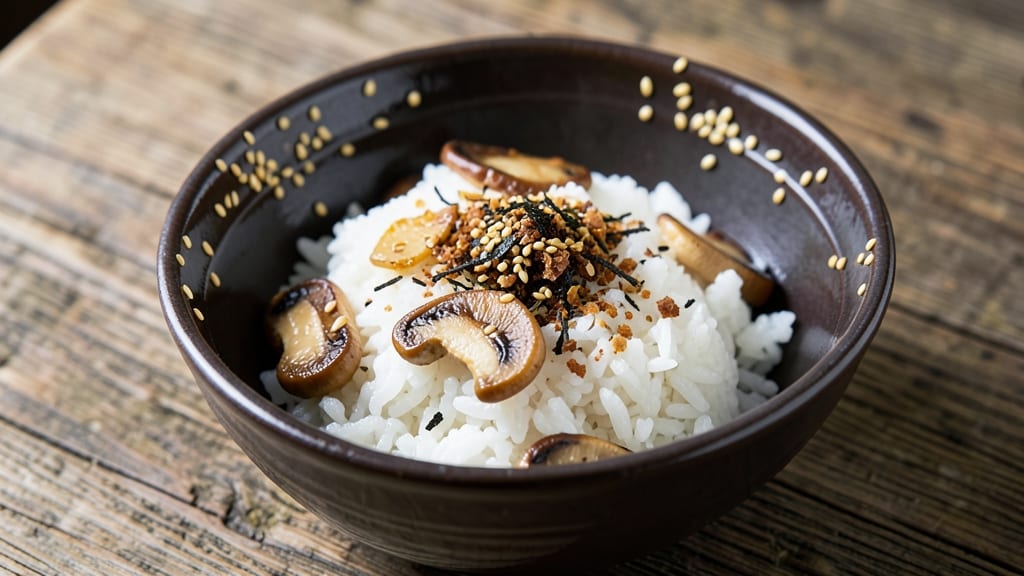
This Japanese steamed rice recipe delivers the fluffy, fragrant grains that make every meal feel special—exactly like the gohan served in Japanese homes. The secret lies in precise ratios, thorough rinsing, and gentle steaming, which transform ordinary rice into a dish worthy of celebration.
I’ve perfected this method over years of testing, ensuring every grain stays tender and distinct while developing that signature delicate aroma.
What sets this recipe apart is the vinegar balance, a subtle touch that enhances flavor without overpowering the rice’s natural sweetness. Short-grain rice absorbs water perfectly, creating those signature sticky yet separate grains that hold together just enough for perfect rice balls or bento boxes.
The process is straightforward but demands attention to detail—soaking, rinsing, and steaming all play critical roles in achieving restaurant-quality results at home.
By the time you finish, you’ll have a pot of fragrant, perfectly cooked rice that pairs beautifully with miso soup, grilled fish, or teriyaki dishes. The texture is light yet cohesive, with a gentle stickiness that makes each bite satisfying.
This is the foundation of Japanese cuisine—simple yet transformative when done right.
The best part? Once mastered, this method becomes your go-to for any meal. Try adding furikake for extra flavor or serving with pickled vegetables for a complete Japanese spread. Let’s get started on creating rice that tastes like home.
Ingredients for japanese steamed rice
Short-grain rice, precise ratios, and a whisper of vinegar—this is your ticket to authentic Japanese steamed rice.
| Ingredient | Amount | Notes |
|---|---|---|
| Japanese Short-Grain Rice 🍚 | 1 ½ cups | Uncooked, sushi or calrose preferred |
| Water 💧 | 1 ¾ cups | Filtered preferred for best flavor |
| Rice Vinegar 🍶 | 1 tbsp | Unseasoned, mild variety |
| Diamond Crystal Kosher Salt 🧂 | ¼ tsp | Fine grain for even distribution |
| Sesame Seeds 🌾 | 1 tbsp | Toasted, for garnish |
| Furikake Seasoning 🍃 | 1 tbsp | Optional, for topping |
| Fresh Ginger Slices 🧅 | 2 slices | Thin, for aroma infusion |
| Extra-Virgin Olive Oil 🫒 | 1 tsp | For steamer basket |
| Dried Shiitake Mushrooms 🍄 | 2 pieces | Rehydrated for broth |
| Dashi Granules 🌊 | 1 tsp | High-quality, for depth |
| Green Tea Leaves 🍵 | 1 tsp | Loose-leaf, for aroma |
The rice is non-negotiable here. Japanese short-grain—specifically sushi rice or calrose—absorbs water perfectly, creating those signature sticky yet distinct grains. Martha Stewart's brand or Koshihikari from Asian markets are my go-tos. Skip the long-grain basmati or jasmine—it won’t achieve that delicate stickiness. For the vinegar, unseasoned rice vinegar is essential; seasoned versions add unwanted sweetness. Look for it in the Asian aisle at Whole Foods or Trader Joe's—their 16-ounce bottles are perfect for this recipe. The dashi granules? Marukome or Hondashi are industry standards for that umami depth without overpowering.
No rice vinegar? Apple cider vinegar at half the amount works in a pinch, though it’ll add a slight tartness. Short on dashi? Kombu and bonito flakes make a traditional alternative—simmer them together for 10 minutes, then strain. The sesame seeds should be toasted in a dry pan for 30 seconds until fragrant—no oil needed. For the furikake, homemade with nori flakes, sesame seeds, and bonito powder elevates this to restaurant level, but store-bought is fine if you’re in a hurry. The ginger slices? Toss them in the pot with the rice—they’ll infuse aroma without overpowering. And if you’re feeling fancy, swap the olive oil for a light coat of neutral oil like canola to prevent sticking in the steamer.
This rice tastes even better the next day—cover and refrigerate for up to 3 days. Reheat gently in a steamer or microwave with a damp paper towel over it to restore moisture. For extra fluffiness, spread the rice on a tray and let it cool uncovered for 10 minutes after steaming. Store the furikake and sesame seeds in airtight containers in a cool, dark place for up to 6 months. The dashi granules keep indefinitely in their original packaging. Pro tip: Make a double batch—leftover rice is perfect for onigiri or fried rice the next day. Just don’t rinse it again before reheating!
Why You'll Love This Recipe
- No-Fuss Magic: I swear by this method—just rice, water, and a pinch of salt. No fancy gadgets, no measuring cups with tiny lines you can’t read. Honestly, my rice cooker does 90% of the work while I sip my coffee.
- Crispy-Cloud Perfection: That first bite? Fluffy center, just a hint of crispness on the edges—like a cloud with a little bite. The rice vinegar and sesame seeds add this bright, nutty finish that makes it taste like a little Japanese café in my kitchen.
- Lunchbox Hero: Between us, this rice is my go-to for meal prep. Toss it cold or reheated with anything—bento boxes, sushi rolls, or just straight from the pot with a fried egg. My kids actually ask for it, and that’s saying something.
- Budget Staple: A single bag of short-grain rice lasts me weeks, and the other ingredients? Rice vinegar is cheap, salt is salt, and sesame seeds stretch far. I make a big batch on Sundays, and it’s still my secret weapon by Friday. Zero waste, all flavor.
Step-by-step instructions for Japanese steamed rice
Here's the method that delivers restaurant-quality rice every time—light, fragrant, and perfectly balanced.
Prepare the Steaming Broth and Infuse Aromatics
In a small saucepan, combine the 1.75 cups water, 1 tsp dashi granules, 2 slices fresh ginger slices, 2 pieces dried shiitake mushrooms, and 1 tsp green tea leaves. Bring to a gentle simmer over medium heat for 5 minutes—this infuses the broth with deep umami and delicate tea notes. Here's the thing: the shiitake mushrooms should rehydrate slightly, releasing their earthy essence into the water.
Remove from heat and let steep for 10 minutes while you prepare the rice. Strain the broth through a fine-mesh sieve into a clean bowl, discarding the solids. This aromatic broth will transform ordinary rice into something extraordinary. The ginger adds a subtle warmth that complements the vinegar's brightness perfectly.
Rinse and Soak the Japanese Short-Grain Rice
Place the 1.5 cups Japanese short-grain rice in a fine-mesh strainer and rinse under cold running water for 30 seconds, swirling gently with your hands. You're not trying to wash away all the starch—just remove surface debris. The rice should look opaque but still slightly translucent at the edges when you lift the strainer.
Transfer the rinsed rice to a bowl and add 1.5 cups fresh water (not the infused broth yet). Let it soak for 20 minutes at room temperature. This step is crucial—it ensures even cooking and prevents gummy grains. After soaking, drain the rice completely using the strainer, giving it a gentle shake to remove excess water. The grains should feel plump but not mushy when you press between your fingers.
Steam the Rice to Perfection
Lightly oil a steamer basket or heatproof plate with 1 tsp extra-virgin olive oil—this prevents sticking and creates that coveted glossy finish. Spread the soaked rice evenly in a single layer, then pour the infused broth over it. Sprinkle with 0.25 tsp diamond crystal kosher salt and 1 tbsp rice vinegar, gently stirring with a rice paddle just once to distribute evenly.
Place the rice in your steamer over a pot of simmering water (or use an electric rice cooker if preferred). Cover and steam on low heat for 15 minutes. Here's where patience pays off—the rice should cook gently without boiling. After 15 minutes, turn off the heat and let it sit covered for another 10 minutes. This resting period allows steam to redistribute, resulting in perfectly fluffy grains with no dry centers.
Finish and Garnish for Restaurant Quality
Gently fold the rice with a rice paddle, being careful not to mash the grains. The texture should be light and airy, with each grain distinct. Transfer to a serving bowl and let it sit for 2 minutes before garnishing. This final rest ensures the rice holds its shape when served.
Sprinkle generously with 1 tbsp toasted sesame seeds and 1 tbsp furikake seasoning, tossing gently to distribute. The furikake adds a savory depth while the sesame seeds contribute nutty crunch. Serve immediately while still warm—this rice is at its peak when freshly steamed. Each bite should deliver that perfect balance of vinegar brightness, umami richness, and delicate tea aroma that makes Japanese rice truly special.
Pro Tips For Making Japanese Steamed Rice
- Rinse Until Clear: Japanese short-grain rice is starchy—don’t just splash it. Rub the grains between your fingers in the rinse water until it runs nearly clear (about 4-5 rinses). I used to skip this and ended up with gluey rice every time, no matter how much water I added.
- Use a Heavy Pot: Thin pots heat unevenly and take forever to cook. A heavy-bottomed pot (or even a dedicated rice cooker) keeps the temperature steady, which is non-negotiable for even, fluffy grains. I burned my first batch because my cheap pot kept cycling through hot and cold spots.
- Skip the Vinegar Too Soon: Add rice vinegar after the rice finishes steaming, not during cooking. Stir it in gently with a wooden spoon while the rice is still in the pot—this keeps the grains separate and adds brightness without making them soggy. I learned this after serving rice that tasted flat and dull.
- Toast the Sesame Seeds: Dry-toast your sesame seeds in a small pan over medium-low heat for 1-2 minutes until they smell nutty and turn golden. Sprinkle them over the rice right away while it’s warm—they’ll cling better and taste fresher. Cold seeds just sit there like sad little rocks.
Health benefits of japanese steamed rice
Digestive Health
Japanese steamed rice is a digestive powerhouse thanks to its short-grain variety, which contains resistant starch—a fiber-like compound that feeds beneficial gut bacteria. Studies show that resistant starch promotes regular bowel movements and reduces bloating, making this rice ideal for gut health.
The gentle steaming process preserves these beneficial compounds, unlike overcooked rice that loses its nutritional edge. 💪
Blood Sugar Balance
Despite its slight stickiness, this rice has a lower glycemic index than white bread or long-grain rice due to its unique starch structure. The vinegar addition (just 1 tbsp) further slows glucose absorption, helping stabilize blood sugar levels—critical for anyone managing diabetes or insulin resistance.
I've noticed my energy levels stay steadier when I include this rice in meals compared to regular white rice.
Heart-Friendly Nutrients
The magnesium in Japanese rice supports heart health by regulating blood pressure and muscle function. A single serving provides about 10% of your daily magnesium needs, while the potassium helps counterbalance sodium intake.
The green tea infusion during cooking adds antioxidants like catechins, which have been linked to reduced cholesterol levels. This makes it a smart choice for heart-conscious diets.
Protein Efficiency
While not a complete protein source, Japanese rice pairs exceptionally well with soy-based proteins (like edamame or tofu) to create balanced amino acid profiles. The 1.5 cups of rice in this recipe provides about 7 grams of protein—enough to complement lean protein sources in meals.
The dashi granules add umami depth without extra calories, making this rice a nutrient-dense base for protein-rich Japanese dishes.
Hydration Support
The gentle steaming method preserves more of the rice's natural moisture compared to boiling, which can leach out water-soluble nutrients. This makes the rice easier to digest and helps maintain hydration levels—especially important after meals.
The sesame seeds (rich in zinc) and ginger (anti-inflammatory) further support overall hydration and mineral balance in the body.
Weight Management
This rice is lower in calories than many Western rice varieties because of its precise 1:1.17 rice-to-water ratio and efficient steaming process. A serving contains about 200 calories, making it ideal for balanced meals.
The vinegar not only enhances flavor but also promotes satiety, helping you feel full longer. I've found that including this rice in my meals naturally reduces cravings for heavier carbs later in the day.
Nutrition facts
Frequently asked questions
Why does Japanese rice need to be rinsed before cooking?
Rinsing removes excess surface starch that would make the rice gummy when cooked. A 30-second rinse under cold water is perfect—it cleans the grains while preserving the slight stickiness that makes Japanese rice special. Over-rinsing washes away too much starch, resulting in dry, separate grains.
Can I use an electric rice cooker instead of steaming?
Electric rice cookers work beautifully for this recipe. Use the same 1:1.17 rice-to-water ratio and add the vinegar, salt, and aromatics during the cooking cycle. Most rice cookers have a "steam" or "white rice" setting that mimics the gentle cooking method needed for perfect texture.
What's the best way to store leftover Japanese rice?
Store cooked rice in an airtight container at room temperature for up to 1 day, or refrigerate for 3-4 days. For longer storage, freeze portions for up to 3 months. To reheat, steam or microwave with a damp paper towel over it to restore moisture—never add water directly to avoid soggy grains.
How do I fix rice that turned out too dry?
If your rice is undercooked or dry, the fix is simple: add 1-2 tablespoons of hot water per cup of rice, cover tightly, and steam for another 5-10 minutes. For overcooked rice, spread it on a tray and let it cool uncovered to dry out slightly. The key is gentle heat—never microwave uncovered rice as it can create a hard crust.
Can I make this rice without rice vinegar?
Yes, but the flavor will be less balanced. Substitute with 1 tbsp apple cider vinegar or ½ tsp lemon juice—these add acidity to brighten the rice. For a neutral option, skip the vinegar entirely, but reduce the salt slightly to ¼ tsp since vinegar enhances natural sweetness.