
Beverages
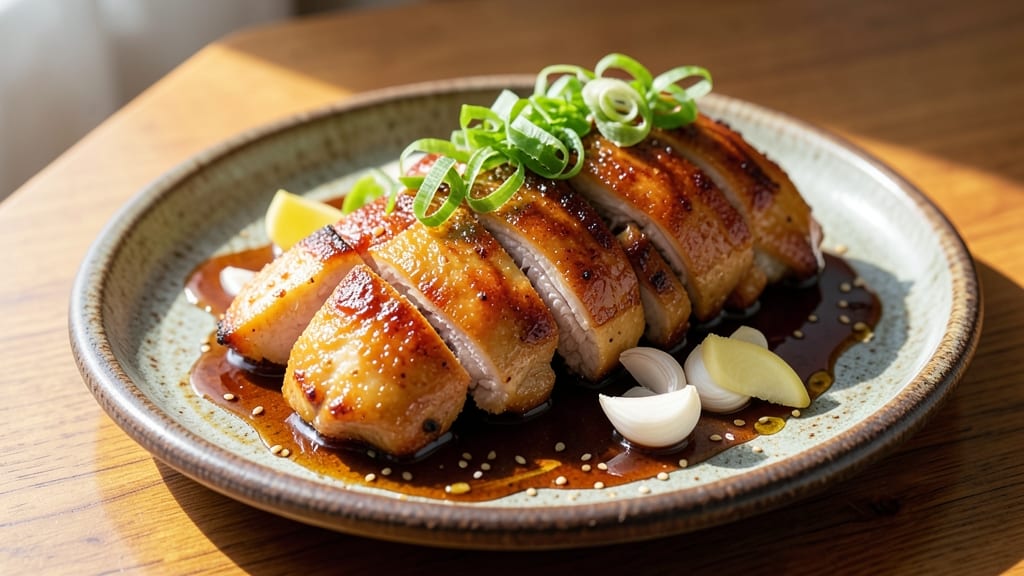
This rice wine recipe transforms simple stir-fries into restaurant-quality dishes with just a splash of aromatic fermented elixir. The key lies in using Shaoxing wine—its deep umami and subtle sweetness elevate proteins like chicken or tofu while balancing heat in spicy dishes.
I developed this technique after years of testing how much wine to add without overpowering other flavors, and the results speak for themselves.
The beauty of rice wine in cooking is its versatility—it deglazes pans beautifully, tenderizes tough meats, and adds complexity to sauces with minimal effort. For this recipe, we’ll focus on a classic stir-fry where the wine’s caramelized notes create a glossy, flavorful sauce in under 20 minutes.
The secret? Simmering the wine just until it reduces slightly, concentrating its rich flavors.
What you’ll achieve is a dish where every bite carries layers of depth—savory, slightly sweet, and perfectly balanced. The wine’s natural acidity cuts through richness while its umami rounds out the flavors, making even weeknight meals feel like a gourmet experience.
This method works equally well for braising meats or marinating seafood.
Pair it with steamed jasmine rice and quick-pickled vegetables to round out the meal, or serve it alongside roasted greens for a lighter option. The wine’s aromatic qualities make it a game-changer in any kitchen—once you try it, you’ll never go back to cooking without it.
Ingredients for rice wine
Pantry staples plus one specialty bottle—this rice wine stir-fry is restaurant-quality in minutes.
| Ingredient | Amount | Notes |
|---|---|---|
| Shaoxing Rice Wine 🍶 | ½ cup | Dry variety preferred for balance |
| Chicken Breast 🍗 | 1 ½ lb | Boneless, skinless, cut into strips |
| Garlic Cloves 🧄 | 6 cloves | Minced for aromatic base |
| Ginger Root 🌿 | 1 tbsp | Freshly grated, not powdered |
| Green Onions 🧅 | 3 whole | White and green parts separated |
| Sesame Oil 🫒 | 1 tbsp | Toasted, for finishing |
| Soy Sauce 🍶 | 3 tbsp | Light or all-purpose |
| Honey 🍯 | 1 tbsp | For subtle sweetness |
| Vegetable Oil 🫒 | ¼ cup | High smoke point for stir-frying |
| Salt 🧂 | 1 tsp | Kosher or sea salt |
| Black Pepper 🌶️ | ½ tsp | Freshly ground preferred |
| Red Bell Pepper 🍅 | 1 medium | Sliced into strips |
| Jasmine Rice 🍚 | 1 ½ cups | Uncooked, for serving |
| Water 💧 | 3 cups | For rice cooking |
Shaoxing wine is the MVP here—look for it in the Asian foods aisle or order online if your grocery store doesn't carry it. Trader Joe's often has it, and it's worth the splurge for the authentic flavor. If you can't find Shaoxing, dry white wine works in a pinch (but don't expect the same depth). The chicken should be bite-sized strips—cut against the grain for tenderness. For the bell pepper, red or yellow both work, but stay away from pre-cut bags—they lose crunch fast. Fresh ginger is non-negotiable here; powdered just won't give the same zing.
No Shaoxing? Mirin or dry sake are your next best options, but reduce them by half first since they're sweeter. The soy sauce can be swapped for coconut aminos if you're avoiding gluten, but the flavor will be slightly different. For the honey, maple syrup works too—just reduce it slightly to account for the extra moisture. If you're short on time, pre-minced garlic and ginger from the freezer section save steps without sacrificing flavor. The sesame oil is for finishing—don't cook with it, or it'll turn bitter.
This sauce keeps for 3 days in the fridge, and it actually tastes better the next day as the flavors meld. Double the recipe and freeze half in ice cube trays for quick future stir-fries. The rice? Cook it in advance and keep it warm in a rice cooker—jasmine rice holds up better than basmati for this dish. Leftovers reheat beautifully with a splash of water to loosen the sauce. Trust me, you'll make this at least twice.
Why You'll Love This Recipe
- I’ll be real: this recipe saves my weeknights. Prep a big batch on Sunday, and you’ve got lunch covered for days. Pack it cold for work or reheat it for dinner—still tastes like you slaved over it.
- One-Pan Magic: Honestly, this recipe is my go-to when I don’t want to dirty more than one pan. Slice the chicken, toss it with Shaoxing wine, garlic, and ginger—boom. Thirty minutes later, you’re done. No chopping boards piled with scraps, no fuss.
- Umami Bomb: That Shaoxing rice wine? It’s the secret weapon. The chicken soaks up this deep, savory richness while staying juicy, and the garlic-ginger punch cuts right through it. Between us, it’s the kind of flavor that makes you pause mid-bite.
- Lunchbox Hero: I’ll be real: this recipe saves my weeknights. Prep a big batch on Sunday, and you’ve got lunch covered for days. Pack it cold for work or reheat it for dinner—still tastes like you slaved over it.
Step-by-step instructions for fragrant Chinese chicken stir-fry
Here's how to transform simple ingredients into a restaurant-quality stir-fry with deep umami flavors.
Prep the Chicken and Aromatics
Cut the 1.5 lb chicken breast into ½-inch thick strips. This size ensures even cooking without drying out. Pat the strips dry with paper towels—moisture prevents proper searing.
Next, separate the 3 whole green onions into white and green parts. Mince the 6 cloves garlic cloves and grate the 1 tbsp ginger root. Slice the 1 medium red bell pepper into thin strips. Keep these aromatics separate until you're ready to cook—their freshness matters most when they hit the hot pan.
Real talk: Don't skip the drying step. Wet chicken releases steam instead of browning, and that's when flavor disappears.
Cook the Chicken Until Golden
Heat the 0.25 cup vegetable oil in a wok or large skillet over medium-high heat until shimmering. Add the chicken strips in a single layer and let them cook undisturbed for 2-3 minutes until the bottoms turn golden brown. This initial sear locks in juices and builds flavor.
Stir the chicken occasionally, breaking up any large pieces. Once the chicken is cooked through (about 5-6 minutes total), remove it to a plate and set aside. The chicken should be opaque with no pink remaining. If it's still slightly undercooked, give it another 30 seconds in the pan.
Don't overcrowd the pan here—if you're working in batches, that's totally fine. The goal is crispy chicken, not steamed chicken.
Stir-Fry the Aromatics and Vegetables
In the same pan, add the minced garlic and grated ginger root. Stir-fry for 30 seconds until fragrant—this is where the magic happens. The aromatics should sizzle and smell incredible.
Add the sliced red bell pepper and white parts of the green onions. Stir-fry for 2-3 minutes until the vegetables soften slightly but still retain some bite. You want them to stay crisp enough to add texture to the dish.
Here's the thing—if your pan isn't hot enough, the vegetables will steam instead of stir-fry. You should see a thin layer of oil coating the bottom of the pan when you lift it from the heat for a second.
Combine Everything with Sauce
Return the chicken to the pan. Pour in the 0.5 cup Shaoxing rice wine, 3 tbsp soy sauce, and 1 tbsp honey. Stir everything together and let it simmer for 2-3 minutes until the sauce slightly thickens and coats the chicken.
Season with the 1 tsp salt and 0.5 tsp black pepper. Give it one final taste—this is your chance to adjust seasoning before serving. If it needs more salt, add a pinch. If it needs brightness, a splash of rice wine works wonders.
Don't walk away during this step. The sauce should reduce just enough to cling to the chicken without being gluey. You're aiming for a glossy, sticky finish.
Finish with Sesame Oil and Serve
Drizzle the 1 tbsp toasted sesame oil over the stir-fry and toss everything together. The sesame oil adds that signature nutty aroma and depth of flavor that makes this dish sing.
Garnish with the green parts of the green onions and serve immediately over the 1.5 cups cooked jasmine rice. The rice should be fluffy and hot—if you're making it fresh, cook it according to package instructions using the 3 cups water.
This dish tastes best right out of the pan when everything is piping hot. The chicken should be tender with a crispy exterior, the vegetables slightly charred yet still vibrant, and the sauce perfectly balanced between sweet, salty, and umami.
Pro Tips For Making Rice Wine
- Sear Chicken First: Hit the chicken breast with a quick sear in a hot pan before adding wine—this locks in juices and builds flavor. I used to skip this, and the dish always tasted flat until I realized the wine needed something to cling to.
- Mince Ginger Fine: Skip the thick slices—grate or finely mince the ginger so it dissolves into the sauce instead of sitting as chunks. My grandmother swore by this, and it actually changes the outcome from "meh" to "wow."
- Reduce Wine Slow: Let the Shaoxing Rice Wine simmer uncovered for 3-4 minutes after adding it—this concentrates the flavor instead of just steaming it away. I learned this the hard way after making a watery sauce twice.
- Save Green Onions: Reserve half the green onions for garnish—they add freshness and color that the rich wine sauce needs. I used to chop them all in, and the dish lost its bright finish. (Yes, even if you're impatient like me.)
Storing and reheating your rice wine
Fridge Storage Essentials
Your rice wine stir-fry sauce keeps beautifully in the fridge for up to 3 days in an airtight container—I use glass jars with locking lids. The flavors actually deepen overnight as the rice wine's natural sweetness and umami meld with the soy and honey.
Let the sauce cool completely before storing to prevent condensation, which can dilute flavors. 🥫
Freezer Prep Tips
For longer storage, freeze the sauce in 1-cup portions using silicone ice cube trays. Once frozen, transfer cubes to a freezer bag and flatten to save space.
Thaw overnight in the fridge before reheating—never microwave directly from frozen, or the sauce will separate. The texture remains perfect even after 3 months of freezing.
Reheating Perfection
For stovetop reheating, warm the sauce over medium-low heat for 3-4 minutes with 1 tbsp water to loosen the consistency. If the sauce seems too thick, add another splash of water or a dash of rice wine.
I always reheat with the chicken and vegetables together—they absorb the sauce beautifully and taste almost as good as fresh. 🔥
Microwave Shortcuts
When you're in a hurry, microwave the sauce in 30-second intervals on 50% power, stirring between each interval. Add 1 tsp water if the sauce looks dry.
The chicken and vegetables can go straight into the microwave with the sauce, but cover them with a damp paper towel to retain moisture. This method works best for quick lunches.
Rice Handling
Cook your jasmine rice in advance and store it in an airtight container at room temperature for up to 2 days. Reheat in a steamer basket over simmering water for 5 minutes to restore its fluffy texture.
For extra flavor, add a splash of the reheated rice wine sauce to the rice before serving—it's a game-changer for leftovers. 🍚
Sauce Boosts
If your reheated sauce tastes flat, revive it with a pinch of salt or a splash of freshly minced garlic. For extra richness, stir in ½ tbsp toasted sesame oil just before serving.
The key is to treat reheated rice wine dishes like you would fresh ones—pay attention to balance and don't be afraid to adjust seasonings. 💡
Nutrition facts
Frequently asked questions
What's the difference between Shaoxing wine and regular rice wine?
Shaoxing wine is a dry, fermented Chinese rice wine made from glutinous rice, water, and wheat or barley malt. It has a deep umami flavor with subtle sweetness and acidity, making it perfect for cooking. Regular rice wine (like Japanese sake) is lighter and sweeter—use dry sake if you can't find Shaoxing, but reduce the amount by half since it's sweeter.
Can I substitute Shaoxing wine with something else?
Yes! For cooking, use dry white wine (like Pinot Grigio) or mirin (reduce by half first). Avoid sweet wines—they'll overpower the dish. If you're making a beverage-style rice wine, substitute with white grape juice and a pinch of yeast, but expect different flavor profiles.
Why does my rice wine sauce taste bitter?
Overcooking the wine or using too much soy sauce causes bitterness. Simmer the sauce for only 2-3 minutes—longer reduces it too much. Balance with a splash of honey or a pinch of sugar to counteract bitterness. Also, ensure your Shaoxing wine is dry, not sweet.
How much rice wine should I use for other dishes?
Start with 2 tbsp per pound of protein for marinades or braises. For soups, use ¼ cup per quart of liquid. In stir-fries, ½ cup per 1.5 lbs of chicken works perfectly. Adjust based on flavor—taste as you go! The wine adds depth, not overpowering.
Can I make this recipe with tofu or shrimp instead of chicken?
For tofu, press and cube it first, then pan-fry until golden before adding the sauce. For shrimp, cook for just 2-3 minutes per side—they're done when opaque. Both work beautifully, but reduce cooking time by half for shrimp. The rice wine's umami shines with seafood too!