
Side Dishes
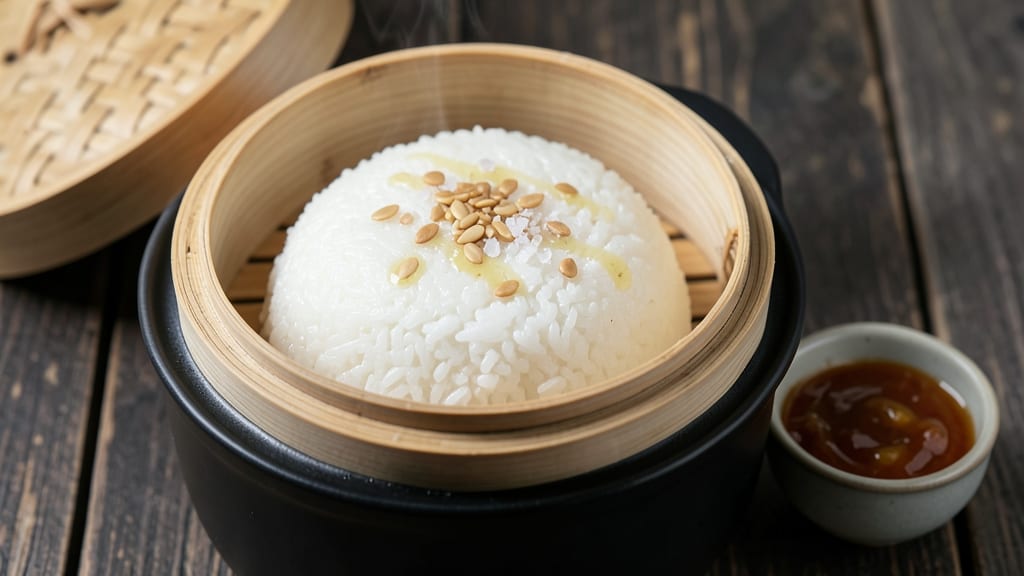
This Chinese steamed glutinous rice recipe delivers the perfect balance of fragrant jasmine scent and tender, chewy texture that pairs beautifully with savory dishes.
The secret lies in soaking the rice for the right amount of time—never too long, never too short—to achieve that signature softness without losing its slight stickiness. I’ve perfected this method over years of testing, ensuring every grain remains plump and aromatic.
What sets this recipe apart is the use of jasmine rice, which absorbs the steam and releases its delicate floral notes as it cooks. Unlike sticky rice, glutinous rice here stays tender yet cohesive, making it ideal for both traditional meals and modern presentations.
The steaming process preserves its natural sweetness while creating a light, airy texture that contrasts perfectly with rich sauces or spicy dishes.
Once steamed, this rice serves as a blank canvas—top it with sweet red bean paste, toasted coconut flakes, or fresh mango for a dessert-like twist. The versatility is what makes it a staple in Chinese cuisine, whether served as a side or a standalone dish.
Ready in about 45 minutes from start to finish, it’s a simple yet impressive preparation that elevates any meal.
For cultural authenticity, I recommend using a bamboo steamer and a heavy-bottomed pot to distribute heat evenly. The aroma alone will transform your kitchen into a fragrant escape, and the texture—soft yet resilient—is impossible to resist. Let’s get started on creating this timeless classic.
Ingredients for chinese steamed glutinous rice
Jasmine rice, bamboo steamer, and patience create this fragrant, tender Chinese classic.
| Ingredient | Amount | Notes |
|---|---|---|
| Jasmine Rice 🍚 | 1 ½ cups | Uncooked, long-grain preferred |
| Water 💧 | 2 ½ cups | Room temperature preferred |
| Bamboo Steamer 🌿 | 1 whole | 16-inch diameter preferred |
| Heavy-Bottomed Pot 🍲 | 1 whole | Large enough for steamer |
| Coconut Oil 🥥 | 1 tbsp | For greasing steamer |
| Salt 🧂 | ¼ tsp | Fine sea salt preferred |
| Red Bean Paste 🍬 | ½ cup | For optional topping |
| Toasted Coconut Flakes 🥥 | ¼ cup | For garnish |
| Fresh Mango 🥭 | ½ cup | Diced, optional topping |
| Lemon Zest 🍋 | 1 tsp | For aroma enhancement |
The jasmine rice is non-negotiable here—Thai brands like Thai Hom Mali or Calrose from Asian markets deliver the best floral aroma. Soak it for exactly 30 minutes—no longer, or it turns mushy. Costco or Whole Foods stock high-quality jasmine rice in bulk, or check the international aisle at Kroger. For the bamboo steamer, 16-inch diameter is ideal; Amazon has affordable options, but authentic ones from Chinese markets last longer. The heavy-bottomed pot should have at least 2 inches of water—never let it touch the steamer to avoid soggy rice.
No bamboo steamer? A metal colander with a tight weave works in a pinch, but the flavor won’t be as authentic. Short on time? Instant Pot or rice cooker can mimic steaming (use the steamer basket function if available). The red bean paste can be swapped for black sesame paste or even sweetened condensed milk for a modern twist. Toasted coconut flakes? Pre-toasted from the baking aisle saves time, but fresh-toasted (dry pan, 2-3 minutes) adds depth. Skip the mango if it’s not in season—lychee or kiwi work just as well for that tropical contrast.
Steamed rice keeps its peak texture for 2 days in the fridge, but the aroma fades after 1 day. For longer storage, freeze portions in airtight containers for up to 3 months. Reheat gently in a steamer or microwave with a damp paper towel—never microwave dry, or it turns rubbery. Garnishes like coconut flakes or mango should be added fresh post-steaming to preserve their crispness. This rice reheats beautifully, making it perfect for meal prep—just add a splash of water and steam again.
Why You'll Love This Recipe
- Steam-and-Forget Magic: I swear by this method—just rinse the jasmine rice, layer it in the bamboo steamer, and let the pot do the work. No stirring, no stress, just hands-off perfection while you prep the rest of dinner.
- Coconut Oil Luxury: That little drizzle of coconut oil? It transforms the rice into something ridiculously fragrant and tender. The aroma alone makes my kitchen smell like a dim sum stall, and the texture? Cloud-soft with a whisper of nuttiness.
- Lunchbox Hero: Between us, this rice is my secret weapon for packed lunches. It reheats beautifully—just a splash of water in the microwave—and stays moist for days. My kids actually finish their meals when it’s in there.
- Budget Bamboo Hack: Honestly, the bamboo steamer changes the game. No fancy rice cooker needed—just a heavy pot, boiling water, and 20 minutes. And jasmine rice? A whole bag costs less than takeout for two, so I’m always stocked without guilt.
Step-by-step instructions for Chinese steamed glutinous rice
Here's the method that delivers perfectly tender, fragrant jasmine rice every time.
Prepare the Steamer and Rice Mixture
Rinse the 1.5 cups jasmine rice under cold water until the water runs clear—this removes excess starch that can make the rice gummy. Drain thoroughly in a fine-mesh strainer and transfer to the bamboo steamer. Add the 2.5 cups water and the 0.25 tsp salt, then gently stir to combine. The rice should be fully submerged, but if any grains remain above the water, add an extra 1 tablespoon water.
Lightly grease the bamboo steamer with 1 tbsp coconut oil to prevent sticking. Here's the thing—this step isn't just about preventing rice from clinging to the steamer; the coconut oil adds a subtle aroma that enhances the final dish. Spread the rice evenly in the steamer, pressing down gently to ensure even cooking.
Assemble and Steam the Rice
Place the bamboo steamer into the heavy-bottomed pot, ensuring it sits securely on the rack. Fill the pot with enough water to come about halfway up the sides of the steamer—this creates the necessary steam environment. Bring the water to a full, rolling boil over medium-high heat. Once boiling, reduce the heat to medium-low and cover the pot tightly with a lid.
Steam for 20 minutes without lifting the lid. The pot should maintain a gentle, steady steam—if you see water boiling over the sides, reduce the heat slightly. You'll know it's done when the rice grains are tender and the water has been fully absorbed. The rice should have a delicate, floral aroma that fills your kitchen.
Prepare Optional Toppings and Serve
While the rice steams, prepare the toppings if desired. Spread 0.5 cup red bean paste evenly over the surface of the hot rice, using the back of a spoon to create a smooth layer. The heat from the rice will cause the paste to soften slightly, creating a creamy contrast to the fluffy grains.
Garnish with 0.25 cup toasted coconut flakes and 0.5 cup fresh mango, diced into small pieces. Sprinkle the 1 tsp lemon zest lightly over the top—this adds a bright, citrusy note that cuts through the natural sweetness of the rice and mango. Serve immediately while the rice is still warm and fragrant, allowing everyone to customize their portion with additional toppings.
Pro Tips For Making Chinese Steamed Glutinous Rice
- Soak Jasmine Rice Overnight: I learned this the hard way—rushing the soak means gummy, uneven texture. Use a 1:1.5 rice-to-water ratio (e.g., 1 cup rice to 1.5 cups water) and let it sit 8+ hours. The longer it soaks, the fluffier the final result, especially when steamed.
- Grease That Bamboo Steamer: Skip this, and your rice will stick like glue. Brush the bamboo steamer with coconut oil before adding the rice—just a light coat. It’s the non-negotiable step that keeps your rice from turning into a single clump.
- Boil Water Aggressively First: Start with a rolling boil in your heavy-bottomed pot, then reduce to a gentle simmer. If you steam on low heat from the start, the rice will cook unevenly—dry on top, soggy at the bottom. That first burst of heat is what guarantees even moisture.
- Poke Holes in the Parchment: Sounds weird, but it works—wrap your soaked rice in parchment paper with tiny holes punched in it. This lets steam circulate instead of trapping it, so your rice stays light and airy. (Yes, even if you’re impatient like me.)
Perfect pairings for chinese steamed glutinous rice
Sweet-Savory Dish Pairings
This steamed glutinous rice shines as a side for char siu (Chinese BBQ pork)—the smoky-sweet glaze contrasts beautifully with the rice’s delicate floral notes. I like to serve it alongside braised pork belly or mapo tofu to balance the dish’s rich, spicy flavors.
The rice’s natural sweetness also complements stir-fried vegetables like bok choy or gai lan, adding a fragrant element to the plate. 🍖
Dessert-Style Toppings
Turn your rice into a dessert by topping it with mango slices, lychee, or coconut milk. The tropical fruit adds a refreshing contrast to the warm, fragrant rice.
For a more traditional approach, spread red bean paste or black sesame paste over the top—this is a classic Chinese dessert known as tangyuan or sweet rice ball when shaped into balls. A sprinkle of toasted sesame seeds adds crunch and depth. 🍬
Drink Pairings
For a light, refreshing pairing, serve with jasmine tea—its floral notes echo the rice’s aroma. If you prefer something cooler, lychee or mango green tea complements the fruity toppings perfectly.
For a bolder contrast, try Chinese baijiu (like Moutai) or a dry Riesling—the alcohol’s bite cuts through the rice’s natural sweetness. 🍶
Modern Fusion Twists
Get creative with toppings like spicy peanut butter, crumbled bacon, or avocado slices for a Western-inspired twist. The rice’s neutral base makes it perfect for fusion dishes—try pairing it with teriyaki chicken or sweet chili-glazed shrimp.
For a breakfast option, top with scrambled eggs and soy sauce for a Chinese-style "rice bowl." 🍳
Cultural Serving Suggestions
In Chinese cuisine, this rice is often served as a side for dim sum or luncheon sets. For a festive touch, arrange it in a steamed rice bowl with a hard-boiled egg and pickled vegetables—a classic yum cha pairing.
Garnish with edible flowers or gold leaf for special occasions. The rice’s versatility makes it a staple for both everyday meals and celebrations. 🎉
Nutrition facts
Frequently asked questions
Can I use regular white rice instead of jasmine rice?
Jasmine rice is essential for that signature floral aroma and delicate texture. White rice lacks the fragrant oils that make this dish special. If you must substitute, use Thai jasmine rice or Calrose rice—both have the floral notes and chewy texture needed. Regular white rice will turn out bland and gummy.
Why does my rice turn out mushy?
Over-soaking or under-steaming causes mushiness. Soak rice for exactly 30 minutes (no longer) and steam for 20 minutes without lifting the lid. If your rice still feels undercooked, steam an extra 5 minutes. The water level in the pot should never touch the steamer—keep it at halfway up the sides.
How can I make this rice without a bamboo steamer?
Use a metal colander with tight weave or a rice cooker’s steaming basket. For an Instant Pot, place the rice in the steamer basket with 2.5 cups water, seal, and cook on high pressure for 5 minutes. The texture won’t be identical, but it’ll still be tender. Grease the colander well to prevent sticking.
Can I prepare this rice ahead of time?
Yes! Store cooked rice in an airtight container in the fridge for 2 days or freeze for 3 months. To reheat, steam again for 5-10 minutes with a splash of water—microwaving dries it out. Add fresh toppings after reheating to keep them crisp. The aroma fades after 1 day, so serve fresh for best flavor.
What’s the best way to serve this rice as a dessert?
Spread red bean paste or black sesame paste over warm rice, then top with diced mango, lychee, or toasted coconut flakes. A sprinkle of lemon zest brightens the sweetness. For a twist, drizzle with coconut milk and serve with jasmine tea. This turns it into a fragrant, tropical-inspired treat!